
Granît cureyekî kevirê magmatîk e ku ji ber hêz, tîrbûn, domdarî û berxwedana xwe ya li hember korozyonê tê derxistin. Lê granît di heman demê de piralî ye - ew ne tenê ji bo çargoşe û çarçikan e! Bi rastî, em bi bawerî bi pêkhateyên granîtê yên ku bi şekil, goşe û xêzên hemî cûreyan hatine çêkirin bi rêkûpêk dixebitin - bi encamên pir baş.
Bi saya pêvajoya me ya herî pêşketî, rûyên birîn dikarin bi awayekî awarte rast bin. Ev taybetmendî granît dike materyalê îdeal ji bo afirandina bingehên makîneyan û pêkhateyên metrolojiyê yên bi mezinahiya xwerû û sêwirana xwerû. Granît ev e:
■ makînekirî
■ Dema ku tê birîn û qedandin bi rastî jî rast e
■ li hember zengarê berxwedêr
■ domdar
■ mayînde
Parçeyên granit jî paqijkirina wan hêsan e. Dema ku hûn sêwiranên xwerû diafirînin, ji bo feydeyên wê yên bilind, pê ewle bin ku granit hilbijêrin.
STANDARD / SERLÊDANÊN BILIND
Granîta ku ji hêla ZHHIMG ve ji bo hilberên me yên plakaya rûberî ya standard tê bikar anîn xwedî rêjeyek bilind a quartzê ye, ku berxwedanek mezintir li hember aşin û zirarê peyda dike. Rengên me yên Reş ên Bilind rêjeyên kêm ên vegirtina avê hene, ku îhtîmala ku pîvanên we yên rast dema ku li ser plakayan têne danîn zeng bibin kêm dike. Rengên granîtê yên ku ji hêla ZHHIMG ve têne pêşkêş kirin dibin sedema kêmtir tîrêjê, ku tê vê wateyê ku ji bo kesên ku plakayan bikar tînin westandina çavan kêmtir e. Me celebên granîtên xwe bi berçavgirtina berfirehbûna germî hilbijartin da ku em vê alî kêm bikin.
SERLÊDANÊN TAYBET
Dema ku serîlêdana we plakaya bi şeklên xwerû, têketinên bi têl, qul an makînekirina din hewce dike, hûn ê bixwazin materyalek mîna Black Jinan Black hilbijêrin. Ev materyalê xwezayî hişkbûnek bilind, şilkirina lerzînê ya hêja, û makînekirina çêtir pêşkêşî dike.
Girîng e ku were zanîn ku reng bi tena serê xwe nîşana taybetmendiyên fîzîkî yên kevir nîne. Bi gelemperî, rengê granît rasterast bi hebûn an nebûna mîneralan ve girêdayî ye, ku dibe ku bandorek li ser taybetmendiyên ku materyalê plakaya rûberê baş çêdikin neke. Granîtên pembe, gewr û reş hene ku ji bo plakayên rûberê pir baş in, û her weha granîtên reş, gewr û pembe hene ku bi tevahî ji bo sepanên rast ne guncaw in. Taybetmendiyên krîtîk ên granît, ji ber ku ew bi karanîna wê wekî materyalê plakaya rûberê ve girêdayî ne, ti eleqeya wan bi reng re tune ne, û ev in:
■ Hişkbûn (xwarbûn di bin barê de - ji hêla Modulus of Elasticity ve tê nîşandan)
■ Hişkbûn
■ Tîrbûn
■ Berxwedana lixwekirinê
■ Îstîqrar
■ Porozîtî
Me gelek materyalên granît ceribandin û van materyalan berawird kirin. Di dawiyê de em gihîştin wê encamê ku granît reş ê Jinan çêtirîn materyal e ku me heta niha nas kiriye. Granîta reş a Hindî û granît Afrîkaya Başûr dişibin Granîta Reş a Jinan, lê taybetmendiyên wan ên fîzîkî ji Granîta Reş a Jinan kêmtir in. ZHHIMG dê li cîhanê li materyalên granît ên bêtir bigere û taybetmendiyên wan ên fîzîkî berawird bike.
Ji bo bêtir agahdarî li ser granîta ku ji bo projeya we guncaw e, ji kerema xwe bi me re têkilî daynin.info@zhhimg.com.
Hilberînerên cuda standardên cuda bi kar tînin. Li cîhanê gelek standard hene.
Standarda DIN, ASME B89.3.7-2013 an Taybetmendiya Federal GGG-P-463c (Plaqeyên Rûyê Granîtê) û hwd. wekî bingehek ji bo taybetmendiyên wan têne bikar anîn.
Û em dikarin li gorî hewcedariyên we plakaya teftîşa rastîn a granît çêbikin. Ger hûn dixwazin bêtir agahdarî li ser standardên din bizanibin, bi xêr hatin ku bi me re têkilî daynin.
Rastbûn dikare wekî hemû xalên li ser rûyê erdê di nav du balafirên paralel de, balafira bingehîn û balafira banê, were hesibandin. Pîvana dûrahiya di navbera balafiran de rastbûna giştî ya rûyê ye. Ev pîvana rastbûnê bi gelemperî toleransê hildigire û dibe ku destnîşankirina pileyê jî di nav xwe de bigire.
Bo nimûne, toleransên rûtbûnê ji bo sê pileyên standard di taybetmendiya federal de wekî ku bi formula jêrîn ve hatî destnîşankirin têne destnîşankirin:
■ Asta Laboratuarê AA = (40 + çargoşeyî/25) x .000001" (yekalî)
■ Asta Teftîşê A = Asta Laboratuwarê AA x 2
■ Odeya Amûran Asta B = Asta Laboratuwarê AA x 4.
Ji bo plakayên rûberî yên bi mezinahiya standard, em toleransên rûberîbûnê yên ku ji pêdiviyên vê taybetmendiyê derbas dibin garantî dikin. Ji bilî rûberîbûnê, ASME B89.3.7-2013 & Taybetmendiya Federal GGG-P-463c mijarên wekî: rastbûna pîvandina dubare, taybetmendiyên materyalê yên granîtên plakaya rûberî, qedandina rûberî, cîhê xala piştgirîyê, hişkbûn, rêbazên qebûlkirî yên vekolînê, sazkirina têketinên bi têl, û hwd. çareser dikin.
Plaqeyên rûyê granît û plakeyên teftîşa granît ên ZHHIMG hemû pêdiviyên ku di vê taybetmendiyê de hatine destnîşankirin pêk tînin an jî ji wan derbas dibin. Niha, ji bo plakeyên goşeya granît, paralel, an çargoşeyên sereke taybetmendiyek diyarker tune.
Û hûn dikarin formulên ji bo standardên din li bibîninDAKÊŞIN.
Pêşî, girîng e ku plakaya paqij were parastin. Toza aşındêr a hewayî bi gelemperî çavkaniya herî mezin a xirabûn û şikestinê ya li ser plakayê ye, ji ber ku ew meyla xwe dide ku di perçeyên kar û rûyên têkiliyê yên pîvanan de bicive. Ya duyemîn, plakaya xwe veşêrin da ku wê ji toz û zirarê biparêzin. Temenê xirabûnê dikare bi nixumandina plakayê dema ku nayê bikar anîn, bi zivirandina plakayê dem bi dem da ku deverek zêde neyê bikar anîn, û bi guheztina pêlavên têkiliyê yên pola yên li ser pîvanê bi pêlavên karbîd were dirêj kirin. Her weha, ji danîna xwarin an vexwarinên nerm li ser plakayê dûr bisekinin. Bala xwe bidinê ku gelek vexwarinên nerm asîda karbonîk an fosforîk dihewînin, ku dikare mîneralên nermtir bihelîne û qulên piçûk li ser rûyê bihêle.
Ev girêdayî ye ka tabaq çawa tê bikaranîn. Heke gengaz be, em pêşniyar dikin ku tabaq di destpêka rojê de (an jî di şifta kar de) û dîsa di dawiyê de were paqijkirin. Ger tabaq qirêj bibe, nemaze bi şilavên rûn an jî zeliqok, divê ew tavilê were paqijkirin.
Plaqeyê bi rêkûpêk bi şilek an jî paqijkera plakaya rûberê ya ZHHIMG Waterless paqij bikin. Hilbijartina çareseriyên paqijkirinê girîng e. Ger çareserkerek firar were bikar anîn (aseton, ziravkerê lakê, alkol, hwd.), buharbûn dê rûyê wê sar bike û xirab bike. Di vê rewşê de, pêdivî ye ku berî karanînê bihêlin ku plake normal bibe, an na dê xeletiyên pîvandinê çêbibin.
Dema ku ji bo normalîzekirina plakayê hewce dike, li gorî mezinahiya plakayê û rêjeya sarkirinê diguhere. Ji bo plakayên biçûktir divê saetek bes be. Ji bo plakayên mezintir dibe ku du saet hewce bin. Ger paqijkerek li ser bingeha avê were bikar anîn, dê hin sarbûna buharê jî çêbibe.
Herwiha plakaya avê diparêze, û ev yek dikare bibe sedema zengarbûna perçeyên metalî yên ku bi rûyê re di têkiliyê de ne. Hin paqijker piştî zuwabûnê jî bermahiyek zeliqok dihêlin, ku toza hewayê dikişîne û di rastiyê de aşînbûnê zêde dike, li şûna ku kêm bike.
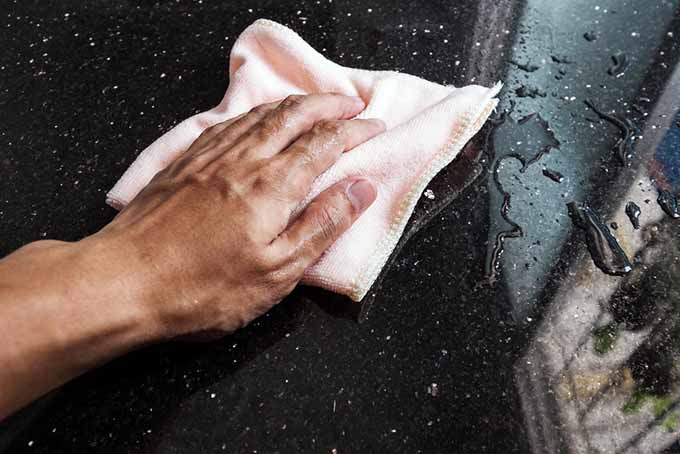
Ev bi karanîna plakeyê û jîngehê ve girêdayî ye. Em pêşniyar dikin ku plakaya nû an aksesûara granîtê ya rastîn di nav salekê de piştî kirînê ji nû ve kalibrasyonek tevahî werbigire. Ger plakaya rûyê granîtê pir were bikar anîn, dibe ku were pêşniyar kirin ku ev navberê bo şeş mehan were kurt kirin. Kontrolkirina mehane ji bo xeletiyên pîvandina dubare bi karanîna asta Elektronîkî, an amûrek wekhev, dê her xalên aşîn ên pêşkeftî nîşan bide û tenê çend hûrdeman digire ku were kirin. Piştî ku encamên ji nû ve kalibrasyona yekem têne destnîşankirin, navberê kalibrasyonê dikare li gorî destûr an hewcedariya pergala kalîteya weya navxweyî were dirêj kirin an kurt kirin.
Em dikarin xizmetê pêşkêş bikin da ku ji we re bibin alîkar ku hûn plakaya rûyê granît a xwe kontrol bikin û kalibr bikin.

Gelek sedemên muhtemel ji bo cûdahiyên di navbera kalibrasyonan de hene:
- Berî kalibrkirinê rû bi çareseriyeke germ an sar hate şuştin, û ji bo normalîzekirinê dem têra xwe nehat dayîn.
- Plaqe bi awayekî nerast hatiye piştgirîkirin
- Guherîna germahiyê
- Pêşnûme
- Tîrêjên rojê yên rasterast an germahiya din a tîrêjkirî li ser rûyê plakeyê. Piştrast bin ku ronahiya serî rûyê germ nake.
- Guhertinên di gradyana germahiya vertîkal de di navbera zivistan û havînê de (Heke gengaz be, di dema ku kalibrasyon tê kirin de germahiya gradyana vertîkal bizanin.)
- Piştî barkirinê dem ji bo normalîzekirina plakeyê nehat dayîn
- Bikaranîna nerast a alavên teftîşê an karanîna alavên ne-kalîbrkirî
- Guhertina rûberê ji ber lixwekirinê
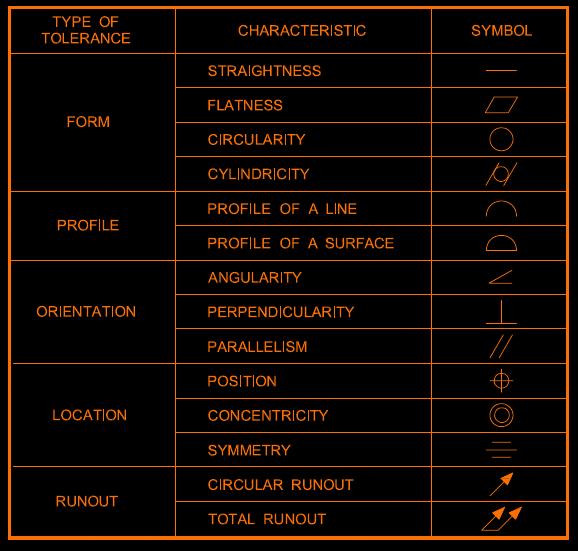
Çend celeb kun li ser granîta rasteqîn hene?
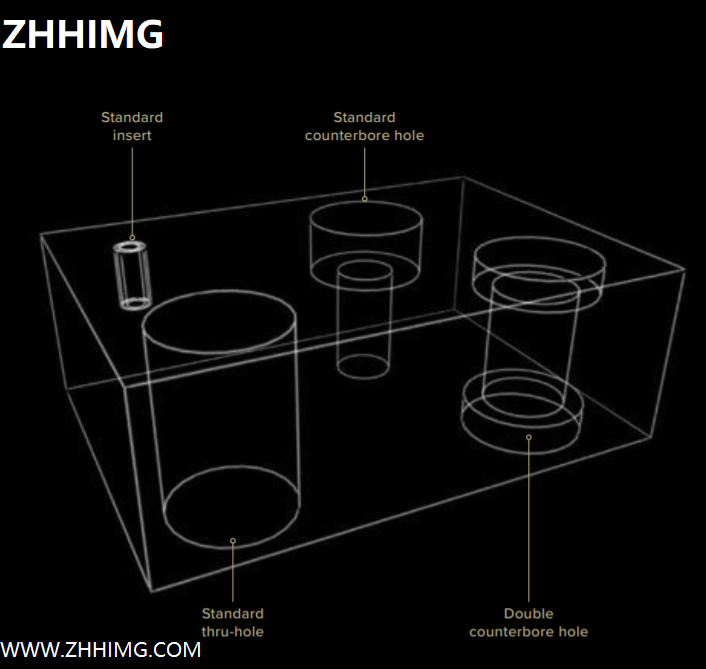
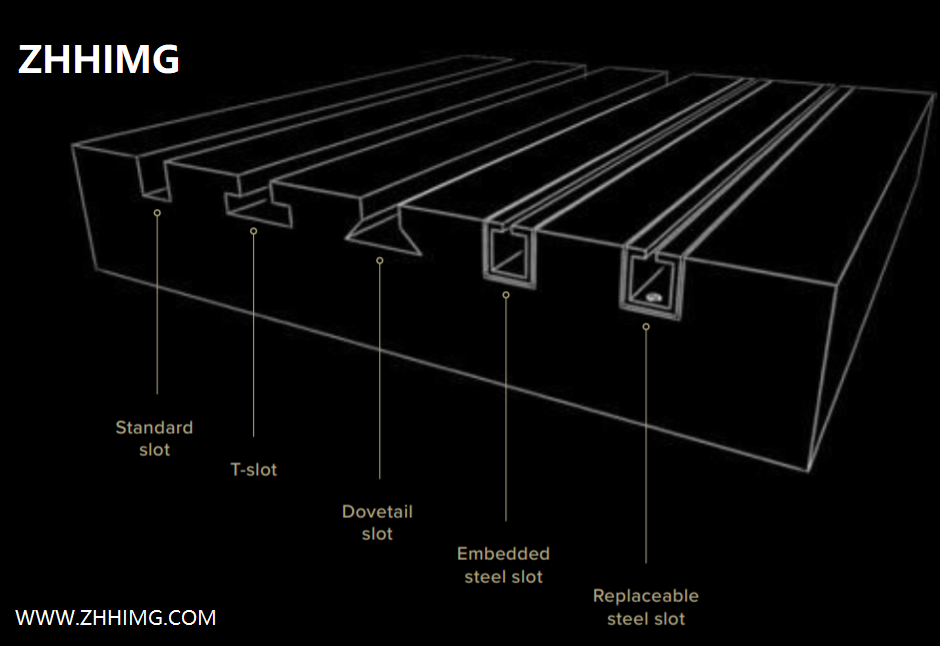
Qulfên li ser Pêkhateyên Granîtê yên Precision
Ji bo gelek kargeh, odeyên vekolînê û laboratuwaran, plakayên rûyê granîtê yên rastîn wekî bingeha pîvandina rast têne bikar anîn. Ji ber ku her pîvandina xêzikî bi rûyek referansê ya rast ve girêdayî ye ku pîvanên dawîn jê têne girtin, plakayên rûyê ji bo vekolîna kar û nexşeya berî makînekirinê çêtirîn asta referansê peyda dikin. Ew di heman demê de bingehên îdeal in ji bo pîvandina bilindahiyê û pîvandina rûyên. Wekî din, pileya bilind a rûtbûnê, aramiyê, kalîteya giştî û karê wan dike hilbijartinek baş ji bo sazkirina pergalên pîvandina mekanîkî, elektronîkî û optîkî yên sofîstîke. Ji bo her yek ji van pêvajoyên pîvandinê, pêdivî ye ku plakayên rûyê kalibrkirî bimînin.
Pîvandinên Dubarekirî û Rûtbûn
Hem pîvandina rûberê û hem jî pîvandina dubare ji bo misogerkirina rûberek rast girîng in. Rûber dikare wekî hemî xalên li ser rûberê di nav du rûberên paralel de, rûbera bingehîn û rûbera banê, were hesibandin. Pîvana dûrahiya di navbera rûberan de rûbera giştî ye. Ev pîvandina rûberê bi gelemperî toleransê hildigire û dibe ku destnîşankirina pileyê jî di nav xwe de bigire.
Toleransên rûtbûnê ji bo sê pileyên standard di taybetmendiya federal de wekî ku bi formula jêrîn ve hatî destnîşankirin têne destnîşankirin:
Standarda DIN, Standarda GB, Standarda ASME, standarda JJS... welatekî cuda bi standarteke cuda...
Agahiyên bêhtir li ser standard.
Ji bilî rûtbûnê, divê dubarekirin jî were misogerkirin. Pîvana dubarekirî pîvandina qadên rûtbûna herêmî ye. Ew pîvandinek e ku li her deverê li ser rûyê plakayê tê girtin û di nav toleransa diyarkirî de dê dubare bibe. Kontrolkirina rûtbûna qada herêmî bi toleransek tengtir ji rûtbûna giştî guherînek hêdî hêdî di profîla rûtbûna rû de garantî dike, bi vî rengî xeletiyên herêmî kêm dike.
Ji bo ku pelika rûberê hem taybetmendiyên pîvandina rastbûnê û hem jî yên pîvandina dubare bicîh bîne, hilberînerên pelikên rûbera granît divê Taybetmendiya Federal GGG-P-463c wekî bingehek ji bo taybetmendiyên xwe bikar bînin. Ev standard rastbûna pîvandina dubare, taybetmendiyên materyalê yên pelika rûbera granît, qedandina rûberê, cîhê xala piştgirîyê, hişkbûn, rêbazên qebûlkirî yên vekolînê û sazkirina pêvekên bi têl destnîşan dike.
Kontrolkirina Rastbûna Plaqeyê
Bi şopandina çend rêbernameyên hêsan, veberhênanek di plakaya rûyê granît de divê gelek salan bidome. Li gorî karanîna plakayê, jîngeha dikanê û rastbûna pêwîst, pirbûna kontrolkirina rastbûna plakaya rûyê diguhere. Qaîdeyek giştî ev e ku plakaya nû di nav salekê de piştî kirînê ji nû ve kalibrasyonek tevahî werbigire. Ger plaka pir caran were bikar anîn, tê pêşniyar kirin ku ev navberê kurt bikin şeş mehan.
Berî ku plakaya rûberê ji normên diyarkirî yên ji bo rûbera giştî zêdetir bişkê, ew ê stûnên şkestî an jî pêlan nîşan bide. Kontrolkirina mehane ji bo xeletiyên pîvandina dubare bi karanîna pîvanek xwendina dubare dê deverên şkestinê destnîşan bike. Pîvanek xwendina dubare amûrek rastbûna bilind e ku xeletiya herêmî tesbît dike û dikare li ser amplîfîkatorek elektronîkî ya mezinbûnê ya bilind were nîşandan.
Bernameyeke teftîşê ya bi bandor divê kontrolên birêkûpêk bi otokolîmatorekê ve di nav xwe de bigire, ku kalibrîbrasyona rastîn a rûtbûna giştî ya ku dikare bigihêje Enstîtuya Neteweyî ya Standard û Teknolojiyê (NIST) peyda bike. Kalibrîbrasyoneke berfireh ji hêla hilberîner an pargîdaniyek serbixwe ve dem bi dem pêwîst e.
Guhertinên Di Navbera Kalibrasyonan de
Di hin rewşan de, di navbera kalibrkirinên plakaya rûyê de cûdahî hene. Carinan faktorên wekî guherîna rûyê ji ber xirabûnê, karanîna xelet a alavên vekolînê an karanîna alavên nekalibrkirî dikarin van cûdahiyan rave bikin. Lêbelê, du faktorên herî gelemperî germahî û piştgirî ne.
Yek ji guherbarên herî girîng germahî ye. Bo nimûne, dibe ku rûber berî kalibrkirinê bi çareseriyek germ an sar hatibe şuştin û ji bo normalîzekirinê dem têrê nekiribe. Sedemên din ên guherîna germahiyê pêlên hewaya sar an germ, tîrêjên rojê yên rasterast, ronîkirina jorîn an çavkaniyên din ên germahiya tîrêjê li ser rûyê plakayê ne.
Her wiha di navbera zivistan û havînê de di gradyana germahiya vertîkal de jî cûdahî dikarin hebin. Di hin rewşan de, piştî barkirinê dem têrê nake ku plakaya normal bibe. Di dema ku kalibrkirin tê kirin de, baş e ku germahiya gradyana vertîkal were tomar kirin.
Sedemeke din a hevpar a guherîna kalibrkirinê ew e ku plakaya bi awayekî nerast hatiye piştgirîkirin. Divê plakaya rûberî li sê xalan were piştgirîkirin, bi awayekî îdeal 20% ji dirêjahiya wê ji dawiya plakayê dûr be. Divê du piştgirî 20% ji firehiya wê ji aliyên dirêj dûr be, û piştgiriya mayî jî divê navend be.
Tenê sê xal dikarin li ser her tiştî ji bilî rûberek rast bi awayekî saxlem bisekinin. Hewldana piştgiriya plakayê li ser ji sê xalan zêdetir dê bibe sedema ku plaka piştgiriya xwe ji kombînasyonên cûrbecûr ên sê xalan werbigire, ku dê ne heman sê xalên ku di dema hilberînê de li ser wan hatibû piştgirî kirin bin. Ev ê bibe sedema xeletiyan ji ber ku plaka ji bo lihevhatina bi rêzkirina piştgiriyê ya nû ve diçe. Bifikirin ku hûn stantên pola bi tîrên piştgiriyê yên ku ji bo rêzkirina bi xalên piştgiriyê yên guncan hatine çêkirin bikar bînin. Standên ji bo vê armancê bi gelemperî ji hilberînerê plakaya rûyê peyda dibin.
Eger plakaya bi awayekî rast hatibe piştgirîkirin, rastkirina astarê tenê pêwîst e eger serîlêdanek wê yekê destnîşan bike. Ji bo parastina rastbûna plakaya bi awayekî rast hatî piştgirîkirin, rastkirin ne pêwîst e.
Jiyana Plakê Dirêj Bike
Şopandina çend rênimayiyan dê li ser plakaya rûyê granît aşîbûnê kêm bike û di dawiyê de, temenê wê dirêj bike.
Pêşî, girîng e ku plakaya paqij were hiştin. Toza aşındêr a hewayî bi gelemperî çavkaniya herî mezin a xirabûn û şikestina li ser plakayê ye, ji ber ku ew meyla xwe dide ser perçeyên kar û rûyên têkiliyê yên pîvanan.
Her wiha girîng e ku plakaya were nixumandin da ku ji toz û zirarê were parastin. Dema ku plakaya nayê bikaranîn, temenê wê dikare were dirêjkirin bi nixumandina plakayê.
Plaqeyê dem bi dem bizivirînin da ku yek deverek zêde neyê bikar anîn. Her wiha, tê pêşniyar kirin ku balîfên têkiliyê yên pola yên li ser pîvandinê bi balîfên karbîd werin guhertin.
Nehêlin xwarin an vexwarinên nerm li ser tabaqê werin danîn. Gelek vexwarinên nerm asîda karbonîk an jî asîda fosforîk dihewînin, ku dikare mîneralên nermtir bihelîne û li ser rûyê wan çalên piçûk bihêle.
Li ku derê ji nû ve bijîn
Dema ku pêdivî bi ji nû ve rûpûşkirina plakaya granît hebe, bifikirin ka ev xizmet li cihê kargehê an li tesîsa kalibrkirinê were kirin. Her tim çêtir e ku plaka li kargehê an li tesîseke taybet ji nû ve were pêçandin. Lêbelê, heke plaka pir xirab neçe, bi gelemperî di nav 0.001 înç de ji toleransa pêwîst, ew dikare li cihê kargehê ji nû ve were pêçandin. Heke plakayek heta wê astê çewtiye ku ji toleransê ji 0.001 înç zêdetir derkeve, an jî heke ew bi awayekî xirab qul an jî birîn be, wê hingê divê ew berî ji nû ve pêçandinê ji bo hûrkirinê ji kargehê re were şandin.
Tesîseke kalibrkirinê xwedî alav û mîhengên kargehê ye ku ji bo kalibrkirina plakaya guncaw û ji nû ve xebatê, heke pêwîst be, şert û mercên çêtirîn peyda dike.
Divê di hilbijartina teknîsyenek kalibrasyon û ji nû ve çêkirina rûberê li cihê kar de gelek baldar be. Ji bo akredîtasyonê bipirsin û piştrast bikin ku alavên ku teknîsyen dê bikar bîne xwedî kalibrasyonek şopîner in. Tecrube jî faktorek girîng e, ji ber ku fêrbûna ka meriv çawa granîtê bi awayekî rast dipêçe gelek salan digire.
Pîvandinên krîtîk bi plakaya rûyê granîtê ya rastîn wekî bingehek dest pê dikin. Bi misogerkirina referansek pêbawer bi karanîna plakaya rûyê ya bi rêkûpêk kalibrkirî, hilberîner yek ji amûrên bingehîn ji bo pîvandinên pêbawer û parçeyên bi kalîtetir distînin.Q
Lîsteya Kontrolê ji bo Guhertinên Kalibrasyonê
1. Berî kalibrkirinê rû bi çareseriyeke germ an sar hat şuştin û ji bo normalîzekirinê dem têrê nekir.
2. Pêlav bi awayekî nerast hatiye piştgirîkirin.
3. Guherîna germahiyê.
4. Reşnivîs.
5. Tîrêjên rojê yên rasterast an germahiyên din ên tîrêjkirî li ser rûyê plakayê. Piştrast bin ku ronahiya serî rûyê germ nake.
6. Guhertinên di gradyana germahiya vertîkal de di navbera zivistan û havînê de. Heke mimkun be, di dema ku kalibrkirin tê kirin de germahiya gradyana vertîkal bizanibin.
7. Piştî barkirinê, dem ji bo normalîzekirina plakayê nehat dayîn.
8. Bikaranîna nerast a alavên teftîşê an jî bikaranîna alavên nekalîbrkirî.
9. Guherîna rûberê ji ber xişandinê.
Serişteyên Teknîkî
- Ji ber ku her pîvandina xêzikî bi rûyek referansê ya rast ve girêdayî ye ku pîvanên dawîn jê têne girtin, plakayên rûberê ji bo vekolîna kar û nexşeyê berî makînekirinê çêtirîn rûbera referansê peyda dikin.
- Kontrolkirina rûtîna qada herêmî bi toleransek ji rûtîna giştî ya tengtir, guherînek hêdî hêdî di profîla rûtîna rûyê de garantî dike, bi vî rengî xeletiyên herêmî kêm dike.
- Bernameyeke teftîşê ya bi bandor divê kontrolên birêkûpêk bi otokolîmatorekê ve di nav xwe de bigire, ku kalibrasyona rastîn a rûbera giştî ya ku dikare bigihêje Desteya Teftîşa Neteweyî peyda bike.
Di nav perçeyên mîneral ên ku granîtê pêk tînin de, ji %90 zêdetir feldspar û kuartz in, ku feldspar herî zêde ye. Feldspar bi gelemperî spî, gewr û sor-goştî ye, û kuartz bi piranî bêreng an gewr-spî ye, ku rengê bingehîn ê granîtê pêk tîne. Feldspar û kuartz mîneralên hişk in, û bi kêrê pola zehmet e ku meriv wan biguhezîne. Di derbarê xalên tarî yên di granîtê de, bi piranî mîkaya reş, hin mîneralên din jî hene. Her çend biyotît nisbeten nerm be jî, şiyana wê ya li hember stresê ne qels e, û di heman demê de di granîtê de mîqdarek piçûk heye, pir caran kêmtir ji %10%. Ev rewşa materyalê ye ku granît bi taybetî tê de xurt e.
Sedemeke din a bihêzbûna granîtê ew e ku perçeyên wê yên mîneral bi hev ve girêdayî ne û di nav hev de ne. Kun pir caran ji %1ê qebareya giştî ya kevir kêmtir pêk tînin. Ev yek dihêle ku granît li hember zextên bihêz li ber xwe bide û şilbûn bi hêsanî derbas nabe.
Pêkhateyên granît ji kevir tên çêkirin, bêyî ku zengar, asîd û alkalî li ber xwe bidin, li hember aşitiyê berxwedêr bin û temenê xizmetê dirêj bikin, lênêrînek taybetî tune. Pêkhateyên rastbûna granît bi piranî di amûrên pîşesaziya makîneyan de têne bikar anîn. Ji ber vê yekê, jê re pêkhateyên rastbûna granît an jî pêkhateyên granît tê gotin. Taybetmendiyên pêkhateyên rastbûna granît bi bingehîn wekî yên platformên granît in. Pêşgotinek li ser amûrkirin û pîvandina pêkhateyên rastbûna granît: Makînekirina rastbûn û teknolojiya mîkromakînekirinê rêyên pêşkeftina girîng ên pîşesaziya çêkirina makîneyan in, û ew bûne nîşaneyek girîng ji bo pîvandina asta teknolojiya bilind. Pêşveçûna teknolojiya pêşkeftî û pîşesaziya parastinê ji makîneya rastbûn û teknolojiya mîkromakînekirinê veqetandî ye. Pêkhateyên granît dikarin di pîvandinê de bi nermî werin şemitandin, bêyî ku rawestin. Pîvandina rûyê kar, xêzikên giştî bandorê li rastbûna pîvandinê nakin. Pêdivî ye ku pêkhateyên granît li gorî hewcedariyên aliyê daxwazê werin sêwirandin û hilberandin.
Qada serîlêdanê:
Her wekî ku em hemî dizanin, bêtir û bêtir makîne û alav pêkhateyên granîtê yên rastîn hildibijêrin.
Pêkhateyên granit ji bo tevgera dînamîk, motorên xêzikî, cmm, cnc, makîneya lazerê têne bikar anîn ...
ji bo bêtir agahdarî bi xêr hatin ku hûn bi me re têkilî daynin.
Amûrên pîvandina granît û pêkhateyên mekanîkî yên granît ji granîteke reş a Jinan a bi kalîte bilind hatine çêkirin. Ji ber rastbûna wan a bilind, dema wan a dirêj, aramiya wan a baş û berxwedana wan a li hember korozyonê, ew her ku diçe di vekolîna hilberan a pîşesaziya nûjen û warên zanistî yên wekî mekanîk a aerofezayê û lêkolînên zanistî de bêtir û bêtir têne bikar anîn.
Awantaj
----Du qat ji hesinê qalibkirî hişktir;
----Guhertinên herî kêm ên pîvanan ji ber guhertinên germahiyê ne;
----Bê pêçandin, ji ber vê yekê kar nayê asteng kirin;
----Ji ber avahiya xwe ya genimê nazik û zeliqîna wê ya hindik, bê çîp û derketin e, ku pileya bilind a rûtbûnê di temenê dirêj ê xizmetê de misoger dike û zirarê nade perçe an amûrên din;
----Xebitandina bê pirsgirêk ji bo karanîna bi materyalên magnetîkî re;
----Jiyanek dirêj û bê zengar, di encamê de lêçûnên lênêrînê kêm in.
Plaqeyên rûyê granîtî yên rastîn bi standardeke bilind a raxbûnê têne pêçandin da ku rastbûn pêk were û wekî bingehek ji bo montajkirina pergalên pîvandina mekanîkî, elektronîkî û optîkî yên sofîstîke têne bikar anîn.
Hin taybetmendiyên bêhempa yên plakaya rûyê granît:
Yekrengiya di Hişkbûnê de;
Rastbûna di bin şert û mercên barkirinê de;
Mijandina Lerizînê;
Paqijkirina hêsan;
Li hember pêçanê berxwedêr;
Porozîteya Kêm;
Ne-Abrasive;
Ne-Mignîtîf
Awantajên Plaqeya Rûyê Granite
Pêşîn, kevir piştî demek dirêj a pîrbûna xwezayî, avahiyek yekreng, kêmtirîn koefîsyent, stresa navxweyî bi tevahî winda dibe, nayê deform kirin, ji ber vê yekê rastbûn bilind e.
Duyemîn, dê xêzik tune bin, ne di bin şert û mercên germahiya domdar de, di germahiya odeyê de jî dikare rastbûna pîvandina germahiyê biparêze.
Sêyemîn, ne magnetîzekirin, pîvandin dikare tevgera nerm be, hestek qîrîn tune be, ji hêla şilbûnê ve neyê bandor kirin, balafir sabît e.
Çar, hişkbûn baş e, hişkbûn bilind e, berxwedana li hember aşînê xurt e.
Pênc, ji erozyona şilava asîdî û alkalîn natirse, zeng nake, ne hewce ye ku bi rûn were boyaxkirin, ne hêsan e ku mîkro-toz biçeliqe, lênêrîn, lênêrîn hêsan e, temenê karûbarê dirêj e.
Çima li şûna nivîna makîneyê ya hesinî, bingeha granît hilbijêrin?
1. Bingeha makîneya granît dikare rastbûnek bilindtir ji bingeha makîneya hesinê avêtin biparêze. Bingeha makîneya hesinê avêtin bi hêsanî ji germahî û şilbûnê bandor dibe lê bingeha makîneya granît na;
2. Bi heman mezinahiya bingeha makîneya granît û bingeha hesinê avêtinê, bingeha makîneya granît ji hesinê avêtinê erzantir e;
3. Bingeha makîneya granîtê ya taybet ji bingeha makîneya hesinê avêtin hêsantir e ku were qedandin.
Plaqeyên rûyên granît di laboratuarên vekolînê yên li seranserê welêt de amûrên sereke ne. Rûyê kalibrkirî û pir dûz ê plakaya rûyê dihêle ku mufetîş wan wekî bingehek ji bo vekolînên parçeyan û kalibrkirina amûran bikar bînin. Bêyî aramiya ku ji hêla plakeyên rûyê ve tê peyda kirin, gelek ji perçeyên bi toleransek hişk di warên cûrbecûr ên teknolojîk û bijîşkî de dê pir dijwartir, heke ne ne gengaz be, bi rêkûpêk werin çêkirin. Bê guman, ji bo karanîna blokek rûyê granît ji bo kalibrkirin û vekolîna materyal û amûrên din, divê rastbûna granît bi xwe were nirxandin. Bikarhêner dikarin plakaya rûyê granît kalibr bikin da ku rastbûna wê piştrast bikin.
Berî kalibrkirinê, plakaya rûyê granît paqij bikin. Piçek paqijkera plakaya rûyê li ser qumaşek paqij û nerm bikin û rûyê granît paqij bikin. Di cih de paqijkera rûyê bi qumaşek hişk ji plakaya rûyê hişk bikin. Nehêlin şileya paqijkirinê bi hewayê zuwa bibe.
Pîvanek pîvandinê ya dubarekirî li navenda plakaya rûyê granît bicîh bikin.
Pîvana pîvandinê ya dubarekirî li ser rûyê plakaya granît sifir bike.
Pîvanê hêdî hêdî li ser rûyê granît bigerînin. Dema ku hûn amûrê li ser plakayê digerînin, nîşana pîvanê temaşe bikin û lûtkeyên her guherînên bilindahiyê tomar bikin.
Guherîna rûtbûnê li seranserê rûyê plakaya xwe bi toleransên ji bo plakaya rûyê xwe re bidin ber hev, ku li gorî mezinahiya plakayê û pileya rûtbûna granît diguhere. Ji bo ku hûn diyar bikin ka plakaya we li gorî şertên rûtbûnê yên ji bo mezinahî û pileya xwe ye, li taybetmendiya federal GGG-P-463c (li Çavkaniyan binêre) şêwir bikin. Guherîna di navbera xala herî bilind a li ser plakayê û xala herî nizm a li ser plakayê de pîvana rûtbûna wê ye.
Kontrol bike ku mezintirîn guherînên kûrahiyê li ser rûyê plakayê di nav taybetmendiyên dubarekirinê de ne ji bo plakaya wê mezinahî û pileyê. Ji bo ku hûn diyar bikin ka plakaya we ji bo mezinahiya xwe şertên dubarekirinê bicîh tîne an na, li gorî taybetmendiya federal GGG-P-463c (li Çavkaniyan binêre) şêwir bikin. Ger tenê xalek jî şertên dubarekirinê bicîh neyne, plakaya rûyê red bike.
Dev ji bikaranîna plakaya rûyê granît berdin ku li gorî pêdiviyên federal nîne. Plaqeyê vegerînin hilberîner an jî şîrketeke rûyê granît da ku blok ji nû ve were cilandkirin da ku li gorî taybetmendiyan be.
Bexşîş
Her çend plakayên rûyê granît ên ku pir têne bikar anîn divê pir caran werin kalibr kirin, herî kêm salê carekê kalibrkirinên fermî bikin.
Kalibrasyona fermî û tomarbar di jîngehên çêkirin an vekolînê de pir caran ji hêla piştrastkirina kalîteyê an firoşkarek karûbarên kalibrasyonê yên derveyî ve tê kirin, her çend her kes dikare pîvanek pîvandina dubare bikar bîne da ku berî karanînê bi awayekî nefermî plakaya rûvî kontrol bike.
Dîroka Destpêkê ya Plaqeyên Rûyê Granite
Berî Şerê Cîhanê yê Duyem, Hilberîner Plaqeyên Rûyê Pola ji bo vekolîna pîvanên parçeyan bi kar dianîn. Di dema Şerê Cîhanê yê Duyem de hewcedariya bi pola bi awayekî berbiçav zêde bû, û gelek Plaqeyên Rûyê Pola hatin helandin. Pêdivî bi guheztinê hebû, û Granît bû materyalê bijartî ji ber taybetmendiyên xwe yên metrolojîk ên bilind.
Çend avantajên granît li ser pola eşkere bûn. Granît hişktir e, her çend şikestîtir be jî û dibe ku bişkê. Hûn dikarin Granîtê ji pola pir zûtir û bi leztir bipêçin. Granît di heman demê de xwedan taybetmendiya xwestî ya berfirehbûna germî ya kêmtir li gorî pola ye. Wekî din, heke plakaya pola hewceyê tamîrkirinê be, diviyabû ku ji hêla hunermendan ve bi destan bihata xêzkirin, yên ku jêhatîyên xwe di ji nû ve avakirina makîneyên makîneyê de jî bikar dianîn.
Wekî noteyek alî, hin Plaqeyên Rûyê Pola hîn jî îro têne bikar anîn.
Taybetmendiyên Metrolojîk ên Plaqeyên Granîtê
Granît kevirê magmatîk e ku ji teqînên volkanîk çêdibe. Bi berawirdkirinê, mermer kevirê kilsinî yê metamorfozkirî ye. Ji bo karanîna metrolojiyê, divê granîta hatî hilbijartin pêdiviyên taybetî yên ku di Specification Federal GGG-P-463c de, ku ji niha û pê ve jê re Specs Fed tê gotin, û bi taybetî, Beşa 3.1 3.1 de hatine destnîşankirin bicîh bîne. Di nav Specs Fed de, divê granît xwedî tevnûrek zirav heta navîn-dane be.
Granît madeyek hişk e, lê hişkbûna wê ji ber çend sedeman diguhere. Teknîsyenek plakaya granîtê ya xwedî ezmûn dikare hişkbûna wê bi rengê wê texmîn bike ku nîşana naveroka kuartzê ye. Hişkbûna granîtê taybetmendiyek e ku qismî ji hêla mîqdara naveroka kuartzê û nebûna mîkayê ve tê destnîşankirin. Granîtên sor û pembe bi gelemperî yên herî hişk in, yên gewr bi hişkbûna navîn in, û yên reş jî yên herî nerm in.
Modula Elastîsîteya Young ji bo îfadekirina nermbûn an nîşana hişkbûna kevir tê bikar anîn. Granîta pembe li ser pîvanê bi navînî 3-5 xal, gewr 5-7 xal û reş 7-10 xal digire. Hejmar çiqas piçûktir be, granît ewqas hişktir dibe. Hejmar çiqas mezintir be, granît ewqas nermtir û nermtir dibe. Dema ku qalindahiya pêwîst ji bo astên toleransê û giraniya parçeyan û pîvanên li ser wê têne danîn hildibijêrin, girîng e ku hişkbûna Granîtê were zanîn.
Di rojên berê de, dema ku makînîstên rastîn hebûn, ku bi pirtûkên tabloya trig di bêrîkên kirasên xwe de dihatin nasîn, granîta reş wekî "Ya herî baş" dihat hesibandin. Ya herî baş wekî celebê ku herî zêde li hember aşînê berxê dide an jî hişktir e tê pênasekirin. Dezawantajek ev e ku granîtên hişktir bi hêsanî dişkên an jî diqelişin. Makînîst ewqas bawer bûn ku granîta reş çêtirîn e ku hin hilberînerên granîta pembe wan reş boyax kirin.
Min bi xwe dîtiye ku plakeyek ji depoyê ji forkliftê hatiye avêtin. Plaqe li erdê ketiye û bûye du parçe û rengê wê yê pembeyî yê rastîn eşkere kiriye. Ger hûn plan dikin ku ji Çînê granîta reş bikirin, baldar bin. Em pêşniyar dikin ku hûn pereyên xwe bi awayekî din xerc bikin. Plaqeya granîtê dikare di hundurê xwe de di hişkbûnê de cûda bibe. Xêzek ji quartzê dikare ji mayî ya plakaya rûyê pir hişktir be. Qatek ji gabbroya reş dikare deverek pir nermtir bike. Teknîsyenek tamîrkirina plakaya rûyê baş perwerdekirî û xwedî ezmûn dizane ka meriv çawa bi van deverên nerm re mijûl dibe.
Polên Plaqeya Rûyê
Çar pileyên plakayên rûvî hene. Pileya laboratîfê AA û A, Pileya Muayeneya Odeyê B, û ya çaremîn Pileya Atolyeyê ye. Pileyên AA û A ji bo plakaya Pileya AA yên herî dûz in û toleransên dûzbûnê ji 0.00001 înç çêtir in. Pileyên Atolyeyê yên herî kêm dûz in û wekî ku ji navê wê jî diyar e, ew ji bo karanîna di odeyên amûran de ne. Li şûna ku Pileya AA be, Pileya A û Pileya B ji bo karanîna di laboratuwarek teftîş an kontrolkirina kalîteyê de ne.
PTesta roper Ji bo Kalibrasyona Plaqeya Rûyê
Min her tim ji xerîdarên xwe re gotiye ku ez dikarim her zarokekî 10 salî ji dêra xwe derxim û di çend rojan de fêrî wan bikim ka meriv çawa tebeqeyek diceribîne. Ne dijwar e. Ji bo ku kar zû were kirin, hin teknîkan hewce dike, teknîkên ku mirov bi demê û dubarekirina pir caran fêr dibe. Divê ez ji we re agahdar bikim, û ez nikarim têra xwe tekez bikim, Fed Spec GGG-P-463c NE prosedurek kalibrkirinê ye! Piştre bêtir li ser vê yekê.
Li gorî Taybetmendiyên Fedê, kontrolkirina kalibrasyona rûbera giştî (Mean Pane) û Dubarekirinê (xişandina herêmî) pêdivî ye. Tenê îstîsna ji vê yekê plakayên piçûk in ku tê de tenê dubarekirin hewce ye.
Her wiha, û bi qasî ceribandinên din girîng e, ceribandina gradyantên germî jî. (Li jêr Delta T binêre)
Wêne 1
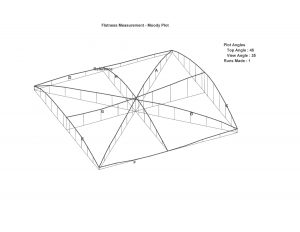
Testa rûtbûnê 4 rêbazên pejirandî hene. Nivelên elektronîkî, otokolîmasyon, lazer û amûrek ku wekî locatorê planê tê zanîn. Em tenê nivelên elektronîkî bikar tînin ji ber ku ew ji ber çend sedeman rêbaza herî rast û bilez in.
Lazer û otokolîmator tîrêjeke ronahiyê ya pir rasterast wekî referans bi kar tînin. Mirov pîvandina rastbûna plakaya rûyê granîtê bi berawirdkirina guherîna dûrahiya di navbera plakaya rûyê û tîrêjeya ronahiyê de dike. Bi girtina tîrêjeke ronahiyê ya rasterast, lêdana wê li ser hedefa reflektorê dema ku hedefa reflektorê ber bi jêr ve li ser plakaya rûyê tê veguhastin, dûrahiya di navbera tîrêjê derketî û tîrêjê vegerê de pîvandina rastbûnê ye.
Pirsgirêka vê rêbazê ev e. Armanc û çavkanî ji hêla lerizîn, germahiya hawîrdorê, hedefek ne pir asê an jî xêzkirî, qirêjiya di hewayê de, û tevgera hewayê (herikîn) ve bandor dibin. Ev hemû dibin sedema pêkhateyên din ên çewtiyê. Wekî din, beşdariya çewtiya operator ji kontrolên bi otokolîmatorek mezintir e.
Bikarhênerekî otokolîmatorê yê xwedî ezmûn dikare pîvandinên pir rast bike, lê dîsa jî bi pirsgirêkên lihevhatina xwendinan re rû bi rû dimîne, nemaze li ser dûrên dirêj, ji ber ku şewq meyla firehbûnê an jî hinekî nezelalbûnê heye. Her wiha, hedefeke ne pir rast û rojek dirêj a nihêrîna bi lensê re dibe sedema xeletiyên zêdetir.
Amûrek dîtina rûberê bi rastî jî bêaqil e. Ev amûr wekî referansa xwe tîrêjek ronahiyê ya hinekî rasterast (li gorî tîrêjek ronahiyê ya kolîmkirî an lazer a pir rasterast) bikar tîne. Ne tenê amûra mekanîkî nîşanek bi gelemperî bi çareseriya tenê 20 u înç bikar tîne, lê nerastbûna barê û materyalên ne wekhev xeletiyên di pîvandinê de pir zêde dikin. Bi raya me, her çend rêbaz qebûlkirî be jî, tu laboratuwarek pispor dê qet amûrek dîtina rûberê wekî amûrek vekolîna dawîn bikar neyne.
Asta elektronîkî gravîtasyonê wekî referansa xwe bi kar tînin. Asta elektronîkî ya cudahî ji hêla lerizînê ve nayê bandorkirin. Çareseriya wan bi qasî 0,1 çirkeya arc e û pîvandin bilez û rast in û beşdariya xeletiyê ji hêla operatorek xwedî ezmûn pir kêm e. Ne Locatorên Planê û ne jî otokolîmator nexşeyên topografîk (Wêne 1) an îzometrîk (Wêne 2) yên rûyê erdê yên ji hêla komputerê ve hatine çêkirin peyda nakin.
Wêne 2
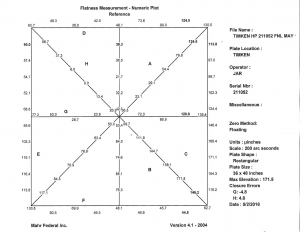
Testa Rastbûna Rûyê
Ceribandina rûbera rast û rast beşek ewqas girîng a vê gotarê ye ku min diviyabû di destpêkê de bi cih bikira. Wekî ku berê jî hate gotin, Fed Spec. GGG-p-463c rêbazek kalibrkirinê NÎNE. Ew ji bo gelek aliyên granîta pola metrolojiyê ku kirrûbirê wê Ajansa Hikûmeta Federal e, wekî rêberek kar dike, û ev jî rêbazên ceribandinê û tolerans an pileyan dihewîne. Ger peymankarek îdîa bike ku ew bi Fed Specs ve girêdayî ne, wê hingê nirxa rûberê dê bi Rêbaza Moody were destnîşankirin.
Moody kesekî ji salên 50î bû ku rêbazek matematîkî pêşxist da ku rûtbûna giştî diyar bike û rêça xetên ku têne ceribandin, an na, hesab bike ka ew di heman planê de bi têra xwe nêzîkî hev in. Tiştek neguheriye. Allied Signal hewl da ku rêbaza matematîkî baştir bike lê gihîşt wê encamê ku cûdahî ewqas piçûk bûn ku ne hêjayî hewildanê bûn.
Eger karkerê plakaya rûberî Asta Elektronîkî an lazer bikar bîne, ew ji bo alîkariya xwe di hesaban de komputerek bikar tîne. Bêyî alîkariya komputerê, teknîsyenê ku otokolîmasyonê bikar tîne divê xwendinê bi destan hesab bike. Di rastiyê de, ew nakin. Ew pir dirêj digire û bi rastî dibe ku pir dijwar be. Di ceribandinek rûtbûnê de bi karanîna Rêbaza Moody, teknîsyen heşt xêzan di konfigurasyona Union Jack de ji bo rastbûnê diceribîne.
Rêbaza Moody
Rêbaza Moody rêbazek matematîkî ye ji bo destnîşankirina ka heşt xêz li ser heman planê ne. Wekî din, we tenê 8 xêzên rast hene ku dibe ku li ser an nêzîkî heman planê bin an nebin. Wekî din, peymankarek ku îdia dike ku bi Spec-a Fedê ve girêdayî ye, û otokolîmasyonê bikar tîne, ewmecbûrmayinheşt rûpelên daneyan çêbike. Ji bo her rêzek ku tê kontrolkirin rûpelek heye da ku ceribandin, tamîrkirin, an herduyan îspat bike. Wekî din, peymankar nizane nirxa rastîn a bêlivbûnê çi ye.
Ez piştrast im, eger hûn yek ji wan kesan bin ku plakayên xwe ji hêla peymankarek ve bi karanîna otokolîmasyonê kalibr dikin, we ew rûpel qet nedîtine! Wêne 3 nimûneyek e jitenê yekrûpelek ji heşt rûpelan pêwîst e ji bo hesabkirina rûbera giştî. Nîşanek ji wê nezanî û xerabiyê ew e ku rapora we hejmarên xweş ên giroverkirî hebin. Mînakî, 200, 400, 650, hwd. Nirxek bi rêkûpêk hesabkirî hejmareke rastîn e. Mînakî 325.4 u In. Dema ku peymankar Rêbaza Moody ya hesaban bikar tîne, û teknîsyen nirxan bi destan hesab dike, divê hûn heşt rûpelên hesaban û nexşeyek îzometrîk bistînin. Nexşeya îzometrîk bilindahiyên cûda li ser xetên cûda û çiqas dûrî xalên hevberdanê yên bijartî ji hev vediqetîne nîşan dide.
Wêne 3(Ji bo hesabkirina bi destan a rûtbûnê heşt rûpelên weha hewce ne. Ger peymankarê we otokolîmasyonê bikar tîne, ji kerema xwe bipirsin çima hûn vê yekê nagirin!)
Wêne 4
Teknîsyenên Pîvanên Pîvanê astên cuda (Wêne 4) wekî amûrên bijarte bikar tînin da ku guhertinên piçûk ên di goşeyê de ji stasyona pîvandinê bo stasyonê bipîvin. Asta xwedî çareseriyek heta 0,1 çirkeyên arc in (5 u înç bi karanîna sledek 4 înç) pir aram in, ji hêla lerizîn, dûrên pîvandî, herikîna hewayê, westandina operator, qirêjiya hewayê an jî ji pirsgirêkên ku di cîhazên din de hene bandor nabin. Alîkariya komputerê lê zêde bikin, û kar nisbeten zû dibe, nexşeyên topografîk û îzometrîk çêdikin ku verastkirin û ya herî girîng jî tamîrkirinê îspat dikin.
Testek Dubarekirinê ya Rast
Xwendina dubarekirî an jî dubarekirin ceribandina herî girîng e. Amûrên ku em ji bo pêkanîna ceribandina dubarekirinê bikar tînin amûrek xwendina dubarekirî, LVDT û amplîfîkatorek e ku ji bo xwendinên bi çareseriya bilind hewce ye. Me amplîfîkatora LVDT li ser çareseriya herî kêm 10 u înç an 5 u înç ji bo plakayên rastbûna bilind saz kir.
Ger hûn hewl didin ku hewcedariya dubarekirinê ya 35 înç biceribînin, karanîna nîşanderek mekanîkî bi çareseriya tenê 20 înç bêkêr e. Nîşander xwedî nezelaliyek 40 înç in! Sazkirina xwendina dubarekirî mîhengkirina pîvana bilindahî/parçeyê dişibihe.
Dubarekirin ne wek hev e wekî rûtbûna giştî (Rêza Navînî). Ez hez dikim ku dubarekirina di granît de wekî pîvandina radyusek domdar bibînim.
Wêne 5
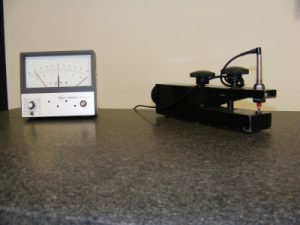
Eger hûn dubarebûna gogeke gilover biceribînin, wê demê we nîşan daye ku nîvkada gogê neguheriye. (Profîla îdeal a plakaya ku bi rêkûpêk hatiye tamîrkirin şiklek tacdar a konveks heye.) Lêbelê, diyar e ku gog ne dûz e. Belê, hinekî. Li ser dûriyek pir kurt, ew dûz e. Ji ber ku piraniya xebata teftîşê pîvanek bilindahiyê pir nêzîkî perçeyê vedihewîne, dubarebûn dibe taybetmendiya herî krîtîk a plakaya granît. Girîngtir e ku dûzbûna giştî hebe heya ku bikarhêner rastbûna perçeyek dirêj kontrol neke.
Piştrast bike ku peymankarê te ceribandineke xwendina dubare pêk tîne. Dibe ku xwendina dubare ya plakayê ji toleransê pir dûr be lê dîsa jî di ceribandina nezelaliyê de serkeftî be! Bi awayekî ecêb, laboratuwarek dikare di ceribandinên ku ceribandina xwendina dubare nagirin de akredîtasyonê bistîne. Laboratuwarek ku nikare tamîr bike an jî di tamîrkirinê de ne pir baş e, tercîh dike ku tenê ceribandina nezelaliyê pêk bîne. Nezelalî kêm caran diguhere heya ku hûn plakayê neguhêzin.
Testa xwendina dubarekirî ceribandina herî hêsan e lê dema lapkirinê ya herî dijwar e ku meriv bi dest bixe. Piştrast bike ku peymankarê te dikare dubarekirinê bêyî ku rûyê "bişkîne" an jî pêlan li ser rûyê bihêle sererast bike.
Testa Delta T
Ev ceribandin pîvandina germahiya RASTÎ ya kevir li ser rûyê wê yê jorîn û rûyê wê yê jêrîn û hesabkirina cûdahiyê, Delta T, ji bo ragihandina li ser sertîfîkayê vedihewîne.
Girîng e ku meriv bizanibe ku katsayiya berfirehbûna germî ya navînî ya granît 3.5 uIn/Inch/pile ye. Bandora germahî û şilbûna hawîrdorê li ser plakaya granît hindik e. Lêbelê, plakaya rûyê dikare ji toleransê derkeve an carinan baştir bibe, her çend di 0.3 - 0.5 pileya Fahrenheit Delta T de be jî. Pêdivî ye ku meriv bizanibe ka Delta T di nav 0.12 pileya Fahrenheit de ye ku cûdahiya ji kalibrasyona dawî heye.
Her wiha girîng e ku meriv bizanibe ku rûyê kar ê plakeyan ber bi germê ve diçe. Ger germahiya jorîn ji ya jêrîn germtir be, wê demê rûyê jorîn bilind dibe. Ger germtir be, ku ev kêm e, wê demê rûyê jorîn dadikeve. Ji bo rêveberek kalîteyê an teknîsyenek ne bes e ku bizanibe plaka di dema kalibrasyon an tamîrkirinê de dûz û dubarekirî ye, lê di dema ceribandina kalibrasyona dawîn de Delta T çi bû. Di rewşên krîtîk de, bikarhêner dikare bi pîvandina Delta T bixwe diyar bike ka plakayek ji ber tenê guherînên Delta T ji toleransê derketiye an na. Bi xêra Xwedê, granit gelek demjimêran an jî rojan digire ku xwe li hawîrdorekê biguncîne. Guhertinên piçûk ên di germahiya hawîrdorê de di nav rojê de bandorê li wê nakin. Ji ber van sedeman, em germahî an şilbûna kalibrasyona hawîrdorê rapor nakin ji ber ku bandor hindik in.
Lixwekirina Plaqeya Granîtê
Her çiqas granit ji plakayên pola hişktir be jî, granit dîsa jî li ser rûyê wê xalên kêm çêdike. Livîna dubare ya parçeyan û pîvanan li ser plakaya rûyê erdê çavkaniya herî mezin a xirabûnê ye, nemaze heke heman dever bi berdewamî were bikar anîn. Ax û toza hûrkirinê ya ku li ser rûyê plakayê dimîne, pêvajoya xirabûnê lez dike ji ber ku ew di navbera parçeyan an pîvanan û rûyê granit de diçe. Dema ku parçe û pîvan li ser rûyê wê têne veguhastin, toza aşınker bi gelemperî sedema xirabûna zêde ye. Ez bi tundî paqijkirina domdar pêşniyar dikim da ku xirabûnê kêm bikim. Me dîtiye ku plaka ji ber radestkirina pakêtên UPS-ê yên rojane yên li ser plakayan hatine danîn xirabûn çêdibe! Ew deverên herêmî yên xirabûnê bandorê li xwendinên testa dubarekirina kalibrasyonê dikin. Bi paqijkirina birêkûpêk ji xirabûnê dûr bisekinin.
Paqijkirina Plaqeyên Granîtê
Ji bo ku hûn plakaya paqij bihêlin, ji bo rakirina gewriyê qumaşek bikar bînin. Tenê pir sivik bipêçin, da ku bermayiyên zeliqê nemînin. Qumaşek zeliqê ya baş-bikaranîn di navbera paqijkirinan de karekî pir baş dike ji bo berhevkirina toza hûrkirinê. Li heman cihî nexebitin. Sazkirina xwe li dora plakaya bigerînin, xişandinê belav bikin. Bikaranîna alkolê ji bo paqijkirina plakaya baş e, lê hay ji xwe hebin ku ev yek dê rûyê wê demkî pir sar bike. Av bi mîqdarek piçûk sabûn pir baş e. Paqijkerên bazirganî yên wekî paqijkera Starrett jî pir baş in ku werin bikar anîn, lê pê ewle bin ku hûn hemî bermayiyên sabûnê ji rûyê derxînin.
Çakkirina Plaqeya Granîtê
Divê niha eşkere be ku girîng e ku meriv piştrast be ku peymankarê plakaya rûyê we kalibrasyonek baş pêk tîne. Laboratuarên celebê "Mala Paqijkirinê" yên ku bernameyên "Bi yek bangê her tiştî bike" pêşkêş dikin, kêm kêm teknîsyenek heye ku dikare tamîran bike. Her çend ew tamîran pêşkêş dikin jî, her gav teknîsyenek wan tune ku xwedî ezmûna pêwîst be dema ku plakaya rûyê bi girîngî ji toleransê derketiye.
Eger ji we re were gotin ku plakaya we ji ber xirabûna zêde nayê tamîrkirin, telefonî me bikin. Bi îhtîmaleke mezin em dikarin tamîr bikin.
Teknîsyenên me di bin Teknîsyenekî Pelqeya Rûyê yê Sereke de ji bo salek û nîv şagirtiyê dixebitin. Em Teknîsyenekî Pelqeya Rûyê yê Sereke wekî kesekî ku şagirtiya xwe temam kiriye û di kalibrasyon û tamîrkirina Pelqeya Rûyê de zêdetirî deh sal ezmûna wî heye pênase dikin. Li Dimensional Gauge sê Teknîsyenên Sereke di karmendên me de hene ku bi tevahî zêdetirî 60 sal ezmûna wan heye. Yek ji Teknîsyenên me yên Sereke her dem ji bo piştgirî û rêberiyê amade ye dema ku rewşên dijwar derdikevin holê. Hemî teknîsyenên me di kalibrasyonên pelqeya rûyê yên hemî mezinahîyan de, ji piçûk bigire heya pir mezin, şert û mercên hawîrdorê yên cûda, pîşesaziyên cûda, û di pirsgirêkên mezin ên aşînê de xwedî ezmûn in.
Specên Fedê pêdiviyek taybet a qedandinê heye ku ji 16 heta 64 Xurîya Arîtmetîk a Navînî (AA) ye. Em qedandinek di navbera 30-35 AA de tercîh dikin. Xurîya têra xwe heye ku piştrast bike ku parçe û pîvan bi rêkûpêk diçin û li ser plakaya rûyê erdê naçilmisin an naqelişin.
Dema ku em tamîr dikin, em plakaya ji bo rast danîn û asta wê kontrol dikin. Em rêbaza şûştina hişk bikar tînin, lê di rewşên xirabûna zêde de ku hewceyê rakirina granîtê ya girîng e, em şûştina şil dikin. Teknîsyenên me piştî xwe paqij dikin, ew bi tevahî, bilez û rast in. Ev girîng e ji ber ku lêçûna karûbarê plakaya granîtê dema weya bêkar û windabûna hilberînê vedihewîne. Tamîrkirinek jêhatî pir girîng e, û divê hûn qet peymankarek li gorî bihayê an rehetiyê hilbijêrin. Hin karên kalibrkirinê kesên pir perwerdekirî hewce dikin. Me ew heye.
Raporên Kalibrasyonê yên Dawî
Ji bo her tamîrkirin û kalibrkirina plakaya rûvî, em raporên profesyonel ên berfireh peyda dikin. Raportên me gelek agahdariyên girîng û têkildar dihewînin. Fed Spec. piraniya agahdariyên ku me peyda kirine hewce dike. Ji bilî yên ku di standardên kalîteyê yên din de hene wekî ISO/IEC-17025, kêmtirîn Fed Specs ji bo raporan ev in:
- Mezinahî bi ft. (X' x X')
- Reng
- Şêwaz (Behsa bê qiloçên kelepçekirî an du an çar qiloçan dike)
- Modula Texmînkirî ya Elastîkîteyê
- Toleransa Navînî ya Balafirê (Ji hêla Pola/Mezinahî ve tê destnîşankirin)
- Toleransa Xwendina Dubare (Bi dirêjahiya diyagonal bi înçan ve tê destnîşankirin)
- Balafirê Navîn wekî ku hatî dîtin
- Balafirê Navînî wekî çepê
- Xwendina dubare wekî ku hat dîtin
- Xwendinê wekî çepê dubare bike
- Delta T (Cudahiya germahiyê di navbera rûyên jorîn û jêrîn de)
Eger teknîsyen pêwîst be ku karê lapkirinê an jî tamîrkirinê li ser rûyê plakaya bike, wê demê sertîfîkaya kalibrkirinê bi nexşeyek topografîk an jî îzometrîk re tê da ku tamîrek derbasdar îspat bike.
Gotinek Derbarê Akredîtasyonên ISO/IEC-17025 û laboratuarên ku wan hene
Tenê ji ber ku laboratîfek di warê kalibrkirina plakaya rû de xwedî akredîtasyon e, nayê wê wateyê ku ew dizanin çi dikin û nemaze bi rêkûpêk dikin! Ne jî tê wê wateyê ku laboratîf dikare tamîr bike. Saziyên akredîtasyonê cudahiyê di navbera verastkirin an kalibrkirinê (tamîrkirinê) de nakin.Aû ez yek dizanim, dibe ku2saziyên akredîtasyonê yên ku dixwazinLgirêdanAeger min têra xwe pere bidaya kûçikê xwe, şerît li dora wê bigirta! Ev rastiyek xemgîn e. Min dîtiye ku laboratuar tenê bi pêkanîna yek ji sê testên pêwîst akredîtasyon wergirtine. Wekî din, min dîtiye ku laboratuar bi nezelaliyên nerast akredîtasyon wergirtine û bêyî ti delîl an nîşandanê ku wan nirxan çawa hesab kirine, akredîte bûne. Ev hemû mixabin e.
Komkirin
Hûn nikarin rola plakayên granîtê yên rasteqîn kêm binirxînin. Referansa rût a ku plakayên granîtê peyda dikin bingeha ku hûn hemî pîvanên din li ser wan dikin e.
Hûn dikarin amûrên pîvandinê yên herî nûjen, herî rast û piralî bikar bînin. Lêbelê, heke rûyê referansê ne durist be, pîvandina rast dijwar e. Carekê, xerîdarek min ji min re got "baş e, ew tenê kevir e!" Bersiva min, "Baş e, tu rast dibêjî, û tu bê guman nikarî rewa bikî ku pispor werin da ku plakayên rûyê te biparêzin."
Biha qet sedemek baş nîne ji bo hilbijartina peymankarên plakaya rûberê. Kirrûbir, hesabgir û hejmareke nebaş a endezyarên kalîteyê her gav fêm nakin ku ji nû ve sertîfîkakirina plakayên granît ne mîna ji nû ve sertîfîkakirina mîkrometer, kalîper an DMM-ê ye.
Hin amûr pisporiyê hewce dikin, ne bihayekî kêm. Piştî vê yekê, rêjeyên me pir maqûl in. Bi taybetî ji bo baweriya ku em kar bi rêkûpêk dikin. Em ji bo nirxek zêdekirî ji pêdiviyên ISO-17025 û Taybetmendiyên Federal pir wêdetir diçin.
Plaqeyên rûberî bingeha gelek pîvandinên boyûtî ne, û lênêrîna rast a plakeya rûyê we ji bo misogerkirina rastbûna pîvandinê pêdivî ye.
Ji ber taybetmendiyên xwe yên fîzîkî yên îdeal, wek hişkbûna rûyê û hesasiyeta kêm a li hember guherînên germahiyê, granit materyalê herî populer e ku ji bo plakayên rûvî tê bikar anîn. Lêbelê, bi karanîna berdewam, plakayên rûvî dişkên.
Herdu jî, rûberî û dubarekirin aliyên girîng in ji bo destnîşankirina ka plakayek rûberek rast peyda dike ji bo bidestxistina pîvandinên rast. Toleransên her du aliyan di bin Specification Federal GGG-P-463C, DIN, GB, JJS de têne destnîşankirin... Rûberî pîvandina dûrahiya di navbera xala herî bilind (rûbera banê) û xala herî nizm (rûbera bingehîn) li ser plakayê de ye. Dubarekirin diyar dike ka pîvandinek ji deverekê hatî girtin dikare li seranserê plakayê di nav toleransa diyarkirî de were dubare kirin. Ev piştrast dike ku di plakayê de lûtke an gelî tune ne. Ger xwendin di nav rêbernameyên diyarkirî de nebin, wê hingê ji bo ku pîvandin vegerin nav taybetmendiyê, dibe ku ji nû ve rûberkirin hewce be.
Pîvandana rûtîn a plakaya rûyê ji bo misogerkirina rûtbûn û dubarebûna wê di demê re pêwîst e. Koma pîvandina rastbûnê ya li Cross ji bo pîvandina rûtbûn û dubarebûna plakaya rûyê pejirandî ye ji hêla ISO 17025 ve. Em Sîstema Sertîfîkaya Plakaya Rûyê ya Mahr bikar tînin ku ev taybetmendî hene:
- Analîza Moody û Profîlê,
- Nexşeyên îzometrîk an jî hejmarî,
- Navînîya Piralî ya Xalan, û
- Nirxandina Otomatîk Li gorî Standardên Pîşesaziyê.
Modela Mahr a bi Alîkariya Komputerê her cûdahiyek goşeyî an xêzikî ji asta mutleq diyar dike, û ji bo profîlkirina pir rast a plakayên rûvî bi awayekî îdeal guncaw e.
Navberên di navbera kalibrkirinan de dê li gorî pirbûna karanînê, şert û mercên jîngehê yên ku plakaya lê ye, û pêdiviyên kalîteya taybetî yên pargîdaniya we diguherin. Parastina rast a plakaya rûyê we dibe ku rê bide navberên dirêjtir di navbera her kalibrkirinê de, ji we re dibe alîkar ku hûn ji lêçûna zêde ya ji nû ve pêçandinê dûr bisekinin, û ya herî girîng jî piştrast dike ku pîvandinên ku hûn li ser plakayê digirin bi qasî ku pêkan rast in. Her çend plakayên rûyê xurt xuya dikin jî, ew amûrên rastîn in û divê wekî wusa werin dermankirin. Li vir çend tişt hene ku hûn di derbarê lênêrîna plakayên rûyê xwe de li ber çavan bigirin:
- Tabaqê paqij bihêlin, û heke gengaz be dema ku nayê bikaranîn, wê veşêrin.
- Ji bilî pîvan an perçeyên ku werin pîvandin, divê tiştek din li ser plakayê neyê danîn.
- Her car heman cih li ser tabaqê bikar neynin.
- Heke gengaz be, plakayê bi periyodîk bizivirînin.
- Rêz li sînorê barê plakaya xwe bigirin
Bingeha granîtê ya rast dikare performansa makîneyên makîneyê baştir bike
Pêdiviyên di endezyariya mekanîkî de bi giştî û di çêkirina makîneyên makîneyê de bi taybetî jî her ku diçe zêde dibin. Bi destxistina nirxên herî zêde yên rastbûn û performansê bêyî zêdekirina lêçûnan ji bo pêşbaziyê dijwarîyên berdewam in. Li vir nivîna makîneyên makîneyê faktorek diyarker e. Ji ber vê yekê, bêtir û bêtir hilberînerên makîneyên makîneyê xwe dispêrin granît. Ji ber parametreyên xwe yên fîzîkî, ew avantajên zelal pêşkêş dike ku bi pola an jî betonê polîmer nayên bidestxistin.
Granît kevirekî kûr ê volkanîk e û xwedî avahiyek pir tîr û homojen e ku xwedan katsayiyek berfirehbûna pir nizm, îxtîyalîtebûna germî ya nizm û şilbûna lerizînê ya bilind e.
Li jêr hûn ê kifş bikin çima ew raya gelemperî ku granit bi giranî tenê wekî bingehek makîneyê ji bo makîneyên pîvandina hevrêzên asta bilind guncan e, demek dirêj e kevnar e û çima ev materyalê xwezayî wekî bingehek makîneyên amûran alternatîfek pir sûdmend e ji bo pola an hesinê avêtinê, hetta ji bo makîneyên amûrên rastbûna bilind jî.
Em dikarin pêkhateyên granît ji bo tevgera dînamîk, pêkhateyên granît ji bo motorên xêzikî, pêkhateyên granît ji bo ndt, pêkhateyên granît ji bo tîrêjên X, pêkhateyên granît ji bo cmm, pêkhateyên granît ji bo cnc, precîzyona granît ji bo lazer, pêkhateyên granît ji bo fezayê, pêkhateyên granît ji bo qonaxên rastbûn çêbikin...
Nirxa Zêdekirî ya Bilind Bêyî Mesrefên Zêde
Zêdebûna bikaranîna granît di endezyariya mekanîkî de ne ewqas ji ber zêdebûna giran a bihayê pola ye. Berevajî vê, ew ji ber wê yekê ye ku nirxa zêdekirî ya makîneya amûrê ku bi nivînek makîneyê ya ji granît hatî çêkirin bi lêçûnek pir kêm an bêyî lêçûnek zêde gengaz e. Ev yek bi berawirdkirina lêçûnên hilberînerên makîneyên amûrên navdar ên li Almanya û Ewropayê tê îspat kirin.
Zêdebûna berbiçav a di aramiya termodînamîk, kêmkirina lerzînê û rastbûna demdirêj de ku ji hêla granîtê ve gengaz dibe, bi nivînek hesin an pola nayê bidestxistin, an jî tenê bi lêçûnek nisbeten bilind tê bidestxistin. Mînakî, xeletiyên germî dikarin heya% 75-ê tevahî xeletiya makîneyekê pêk bînin, û tezmînat pir caran ji hêla nermalavê ve tê xwestin - bi serkeftinek navîn. Ji ber guhêrbariya germî ya kêm, granît bingehek çêtir e ji bo rastbûna demdirêj.
Bi toleransa 1 μm, granit bi hêsanî pêdiviyên rûtbûnê yên li gorî DIN 876 ji bo pileya rastbûnê 00 pêk tîne. Bi nirxek 6 li ser pîvana hişkbûnê ji 1 heta 10, ew pir hişk e, û bi giraniya xwe ya taybetî ya 2.8g/cm³ ew hema hema digihîje nirxa aluminiumê. Ev di heman demê de dibe sedema avantajên din ên wekî rêjeyên xwarinê yên bilindtir, lezandina eksena bilindtir û dirêjkirina temenê amûrê ji bo makîneyên birînê. Bi vî rengî, guheztina ji nivînek avêtinê bo nivînek makîneya granit makîneya navborî di warê rastbûn û performansê de vediguhezîne çîna bilind - bêyî lêçûnek zêde.
Şopa Ekolojîk a Baştirkirî ya Granite
Berevajî materyalên wekî pola an hesinê avêtinê, ne hewce ye ku kevirê xwezayî bi gelek enerjiyê û bi karanîna lêzêdekeran were hilberandin. Ji bo kolandina keviran û dermankirina rûyê tenê mîqdarên nisbeten piçûk ên enerjiyê hewce ne. Ev dibe sedema şopek ekolojîk a bilind, ku tewra di dawiya jiyana makîneyekê de ji ya pola wekî materyal derbas dibe. Nivîna granît dikare bibe bingeha makîneyek nû an jî ji bo armancên bi tevahî cûda yên wekî perçekirin ji bo çêkirina rêyan were bikar anîn.
Her wiha kêmasiya çavkaniyên granîtê jî tune ye. Ew kevirê kûr e ku ji magmayê di qalikê erdê de çêdibe. Bi mîlyonan salan e 'gihîştî' ye û wekî çavkaniyek xwezayî bi mîqdarên pir mezin li hema hema hemî parzemînan, tevî hemî Ewropayê, peyda dibe.
Encam: Gelek avantajên nîşander ên granît li gorî pola an hesinê avêtinê, amadebûna zêde ya endezyarên mekanîkî ji bo karanîna vê materyalê xwezayî wekî bingehek ji bo makîneyên amûrên rastbûna bilind û performansa bilind rewa dikin. Agahiyên berfireh li ser taybetmendiyên granît, ku ji bo makîneyên amûrên û endezyariya mekanîkî sûdmend in, di vê gotara din de têne dîtin.
Pîvandina dubarekirî pîvandina qadên rûtbûna herêmî ye. Taybetmendiya Pîvandina Dubarekirî diyar dike ku pîvandinek li her deverê li ser rûyê plakayê tê girtin dê di nav toleransa diyarkirî de dubare bibe. Kontrolkirina rûtbûna qada herêmî ji rûtbûna giştî guherînek hêdî hêdî di profîla rûtbûna rûvî de garantî dike û bi vî rengî xeletiyên herêmî kêm dike.
Piraniya hilberîneran, tevî marqeyên hawirdekirî, pabendî Taybetmendiya Federal a toleransên giştî yên bêlivbûnê ne, lê gelek ji wan pîvandinên dubare paşguh dikin. Gelek ji plakayên bi nirxa kêm an jî budceyî yên ku îro di sûkê de hene, pîvandinên dubare garantî nakin. Hilberînerekî ku pîvandinên dubare garantî nake, plakayên ku li gorî pêdiviyên ASME B89.3.7-2013 an Taybetmendiya Federal GGG-P-463c, an DIN 876, GB, JJS... ne hildiberîne.
Herdu jî ji bo misogerkirina rûberek rast ji bo pîvandinên rast girîng in. Taybetmendiya rûbera rastbûnê bi tena serê xwe têrê nake ku rastbûna pîvandinê garantî bike. Wekî mînak, plakaya rûbera Asta A ya Muayeneyê ya 36 X 48 bigirin, ku TENÊ taybetmendiya rûbera rastbûnê ya .000300" pêk tîne. Ger perçeya ku tê kontrol kirin çend lûtkeyan digire nav xwe, û pîvana ku tê bikar anîn di cîhek nizm de be, xeletiya pîvandinê dikare toleransa tevahî di yek deverê de be, 000300"! Bi rastî, ew dikare pir bilindtir be ger pîvan li ser şemitoka meyldar be.
Li gorî giraniya şemitokê û dirêjahiya milê pîvanê ku tê bikar anîn, xeletiyên .000600"-.000800" mimkun in. Ger taybetmendiya Pîvandina Dubare ya vê plakayê .000050"FIR hebûya wê hingê xeletiya pîvandinê dê ji .000050" kêmtir be bêyî ku pîvan li ser plakayê li ku derê were girtin. Pirsgirêkek din, ku bi gelemperî dema ku teknîsyenek bê perwerde hewl dide ku plakeyek li cîhê xwe ji nû ve rû bike derdikeve holê, karanîna Pîvandinên Dubare tenê ji bo pejirandina plakeyekê ye.
Amûrên ku ji bo verastkirina dubarekirinê têne bikar anîn NE ji bo kontrolkirina rûbera giştî hatine sêwirandin. Dema ku li ser rûyek bi tevahî qurvekirî sifir were danîn, ew ê berdewam sifir bixwînin, çi ew rûber bi tevahî rûbera 1/2" be, çi bi tevahî konkav be, çi jî konveks be! Ew tenê yekrengiya rûberê verast dikin, ne rûbera 1/2"! Tenê plakaya ku hem taybetmendiya rûbera 1/2 û hem jî taybetmendiya pîvana dubarekirinê bicîh tîne, bi rastî hewcedariyên ASME B89.3.7-2013 an Taybetmendiya Federal GGG-P-463c bicîh tîne.
Ask us about or flatness specification and repeat measurement promise by calling +86 19969991659 or emailing INFO@ZHHIMG.COM
Belê, lê ew tenê dikarin ji bo gradyana germahiyê ya vertîkal a taybetî werin garantîkirin. Bandorên berfirehbûna germî li ser plakayê dikarin bi hêsanî bibin sedema guherînek di rastbûnê de ji toleransê mezintir heke guherînek di gradyanê de hebe. Di hin rewşan de, heke tolerans têra xwe teng be, germahiya ku ji ronîkirina jorîn tê kişandin dikare di nav çend demjimêran de bibe sedema guherînek têra xwe ya gradyanê.
Granît xwedî katsayiyeke berfirehbûna germî ya bi qasî 0,0000035 înç serê înç serê 1°F ye. Wekî mînak: Plaqeyeke rûyê 36" x 48" x 8" di rêjeyeke 0°F de xwedî rastbûna 0,000075" (1/2 ji Pola AA) ye, germahiya jor û jêr heman e. Ger jorê plakeyê heta wê astê germ bibe ku 1°F ji binî germtir be, rastbûn dê biguhere bo 0,000275" konveks! Ji ber vê yekê, fermankirina plakeyek bi toleransek ji Pola Laboratuarê AA kêmtir divê tenê heke kontrola avhewayê ya têr hebe were hesibandin.
Divê plakaya rûberî li 3 xalan were piştgirîkirin, bi awayekî îdeal 20% ji dirêjahiya wê ji serên plakayê dûr bin. Divê du piştgirî 20% ji firehiya aliyên dirêj dûr bin, û piştgiriya mayî jî divê navend be. Tenê 3 xal dikarin li ser her tiştî ji bilî rûberek rast bi awayekî saxlem bisekinin.
Divê plakaya di dema hilberînê de li van xalan were piştgirîkirin, û divê di dema karanînê de tenê li van sê xalan were piştgirîkirin. Hewldana piştgirîkirina plakayê li zêdetirî sê xalan dê bibe sedema ku plakaya piştgiriya xwe ji kombînasyonên cûrbecûr ên sê xalan werbigire, ku dê ne heman 3 xalên ku di dema hilberînê de li ser wan hatiye piştgirîkirin bin. Ev ê bibe sedema xeletiyan ji ber ku plaka ji bo lihevhatina bi rêziknameya piştgiriyê ya nû ve diqelişe. Hemî stûnên pola yên zhhimg tîrên piştgiriyê hene ku ji bo ku bi xalên piştgiriyê yên guncan re li hev bikin hatine çêkirin.
Eger plakaya bi awayekî rast hatibe piştgirîkirin, rastkirina astarê tenê pêwîst e eger serlêdana we hewce bike. Ji bo parastina rastbûna plakaya bi awayekî rast hatî piştgirîkirin, rastkirin ne pêwîst e.
Çima ji bo Granite HilbijêrinBingehên MakîneyêûPêkhateyên Metrolojiyê?
Bersiv ji bo hema hema her serîlêdanê 'erê' ye. Avantajên granîtê ev in: Ne zengar û korozyon heye, hema hema li hember xwarbûnê parastî ye, dema ku tê birîn, qulika telafîkirinê tune, temenê wê yê dirêjtir ê lixwekirinê ye, tevgera wê nermtir e, rastbûna wê ya mezintir e, hema hema ne-magnetîk e, koefîsyenteke nizm a berfirehbûna germî, û lêçûna lênêrînê ya kêm e.
Granît cureyekî kevirê agirîn e ku ji ber hêz, tîrbûn, domdarî û berxwedana xwe ya li hember korozyonê tê derxistin. Lê granît di heman demê de piralî ye - ew ne tenê ji bo çargoşe û çarçikan e! Bi rastî, Starrett Tru-Stone bi bawerî bi pêkhateyên granîtê yên ku bi şekil, goşe û xêzên hemî cûreyan hatine çêkirin re bi rêkûpêk dixebite - bi encamên pir baş.
Bi saya pêvajoya me ya herî pêşketî, rûyên birîn dikarin bi awayekî awarte rast bin. Ev taybetmendî granît dike materyalê îdeal ji bo afirandina bingehên makîneyan û pêkhateyên metrolojiyê yên bi mezinahiya xwerû û sêwirana xwerû. Granît ev e:
makînekirî
dema ku tê birîn û qedandin bi rastî jî rast e
berxwedêrê zengarê
herdemîn
demdirêj
Parçeyên granit jî paqijkirina wan hêsan e. Dema ku hûn sêwiranên xwerû diafirînin, ji bo feydeyên wê yên bilind, pê ewle bin ku granit hilbijêrin.
STANDARD/ SERLÊDANÊN BILIND
Granîta ku ji hêla ZhongHui ve ji bo hilberên me yên plakaya rûberî ya standard tê bikar anîn xwedî rêjeyek bilind a quartzê ye, ku berxwedanek mezintir li hember aşin û zirarê peyda dike. Rengên me yên Reş ên Bilind û Pembeya Krîstal rêjeyên kêm ên vegirtina avê hene, ku îhtîmala zengbûna pîvanên we yên rastîn dema ku li ser plakayan têne danîn kêm dike. Rengên granîtê yên ku ji hêla ZhongHui ve têne pêşkêş kirin dibin sedema kêmtir tîrêjê, ku tê vê wateyê ku ji bo kesên ku plakayan bikar tînin westandina çavan kêmtir e. Me celebên granîtên xwe bi berçavgirtina berfirehbûna germî hilbijartin da ku em vê alî kêm bikin.
SERLÊDANÊN TAYBET
Dema ku serîlêdana we plakaya bi şeklên xwerû, têketinên bi têl, qul an makînekirina din hewce dike, hûn ê bixwazin materyalek mîna Black Diabase hilbijêrin. Ev materyalê xwezayî hişkbûnek bilind, şilkirina lerzînê ya hêja, û makînekirina çêtir pêşkêşî dike.
Belê, eger ew pir zêde neyên xişandin. Mîheng û alavên kargeha me şert û mercên çêtirîn ji bo kalibrkirina plakaya rast û ji nû ve xebitandinê, ger hewce bike, peyda dikin. Bi gelemperî, eger plakaya di nav .001" ji toleransa pêwîst de be, ew dikare li cîhê ji nû ve were çêkirin. Ger plakaya heta wê astê xişandin ku ew ji .001" zêdetir ji toleransê derkeve, an jî eger ew bi awayekî xirab qul an jî birîn be, wê hingê pêdivî ye ku ew berî ji nû ve lêkirinê ji bo hêrandinê ji kargehê re were şandin.
Divê di hilbijartina teknîsyenek kalibrasyon û ji nû ve çêkirina rûberê li cihê kar de gelek baldar be. Em ji we rica dikin ku hûn di hilbijartina karûbarê kalibrasyonê de baldar bin. Ji bo akredîtasyonê bipirsin û piştrast bikin ku alavên ku teknîsyen dê bikar bîne xwedî kalibrasyonek şopîner a Saziya Muayeneya Neteweyî ne. Fêrbûna ka meriv çawa granîtê bi awayekî rast dipêçe gelek salan digire.
ZhongHui ji bo kalibrasyonên ku di kargeha me de têne kirin, vegerandina bilez peyda dike. Heke gengaz be, plakayên xwe ji bo kalibrasyonê bişînin. Kalîte û navûdengê we bi rastbûna amûrên pîvandina we ve girêdayî ye, tevî plakayên rûvî!
Plaqeyên rûyê me yên reş xwedî densiteyek pir zêdetir in û heta sê qat hişktir in. Ji ber vê yekê, ji bo ku berxwedana li hember xwarbûnê wekhev an mezintir be, pêdivî bi qalindahiya plakeyek ji granît a heman mezinahî nîne. Qalindahiya kêmtir tê wateya giraniya kêmtir û lêçûnên barkirinê yên kêmtir.
Hay ji yên din hebin ku granîta reş a bi kalîteya nizmtir bi heman stûriyê bikar tînin. Wekî ku li jor hatî destnîşan kirin, taybetmendiyên granîtê, mîna dar an metal, li gorî materyal û rengê diguherin, û pêşbînkerek rast a hişkbûn, hişkbûn, an berxwedana lixwekirinê nine. Bi rastî, gelek celebên granîta reş û dîabaz pir nerm in û ji bo sepanên plakaya rûberî ne guncaw in.
Na. Amûr û perwerdehiya taybetî ya ku ji bo ji nû ve xebitandina van tiştan pêwîst e, pêdivî ye ku ew ji bo kalibrkirin û ji nû ve xebitandinê vegerin kargehê.
Belê. Seramîk û granît xwedî taybetmendiyên dişibin hev in, û rêbazên ku ji bo kalibrkirin û pêçandina granît têne bikar anîn dikarin bi tiştên seramîk re jî werin bikar anîn. Pêçandina seramîk ji granît dijwartir e, û ji ber vê yekê lêçûnek bilindtir heye.
Belê, bi şertê ku pêvek di bin rûyê erdê de bin. Ger pêvekên pola bi rûyê erdê re an jî li jor bin, divê berî ku plakaya were pêçandin, ew bi awayekî xalî ber bi jêr ve werin rûkirin. Ger hewce be, em dikarin wê xizmetê peyda bikin.
Belê. Pêvekên pola yên bi têla xwestî (îngilîzî an metrîk) dikarin li cihên xwestî bi epoksî ve bi plakayê werin girêdan. ZhongHui makîneyên CNC bikar tîne da ku cihên pêvekê yên herî teng di nav +/- 0.005” de peyda bike. Ji bo pêvekên kêm krîtîk, toleransa me ya cihî ji bo pêvekên bi têl ±.060” e. Vebijarkên din T-Barên pola û qulên dûvikê yên kevokê yên rasterast di nav granît de hatine çêkirin vedihewîne.
Pêvekên ku bi karanîna epoksîya bihêz û karîgeriya baş bi rêkûpêk hatine girêdan, dê li hember hêza zivirandin û şikestinê ya mezin bisekinin. Di ceribandinek dawî de, bi karanîna pêvekên bi têlên 3/8"-16, laboratuwarek ceribandinê ya serbixwe hêza ku ji bo kişandina pêvekek bi epoksî ve girêdayî ji plakaya rûyê hewce ye pîvand. Deh plaka hatin ceribandin. Ji van deh, di neh rewşan de, granit pêşî şikest. Barê navînî li xala têkçûnê ji bo granîta gewr 10,020 lbs û ji bo reş 12,310 lbs bû. Di yek rewşa ku pêvekek ji plakayê veqetiyaye de, barê li xala têkçûnê 12,990 lbs bû! Ger perçeyek xebatê li ser pêvekê pirek çêbike û torkeke zêde were sepandin, mimkun e ku hêzek têr çêbibe da ku granit bişkê. Bi qismî ji ber vê sedemê, ZhongHui rêbernameyan dide ji bo torkeke ewle ya herî zêde ku dikare li ser pêvekên bi epoksî ve girêdayî were sepandin: https://www.zhhimg.com/standard-thread-inserts-product/
Belê, lê tenê li kargeha me. Li kargeha me, em dikarin hema hema her plakaya vegerînin rewşa "wek nû", bi gelemperî bi kêmtirî nîvê lêçûna guheztina wê. Qiraxên zirardar dikarin bi kozmetîkî werin sererast kirin, xêzên kûr, birîn û çalên kûr dikarin werin rijandin, û piştgirên pêvekirî dikarin werin guheztin. Wekî din, em dikarin plakaya we biguherînin da ku pirrengiya wê zêde bikin bi zêdekirina pêvekên pola yên zexm an bi têl û qulên birrînê an lêvên girtinê, li gorî taybetmendiyên we.
Çima Granite Hilbijêrin?
Granît cureyekî kevirê magmatîk e ku bi mîlyonan sal berê li Erdê çêbûye. Pêkhateya kevirê magmatîk gelek mîneralên wekî kuartz dihewîne ku pir hişk û li hember aşînê berxwedêr e. Ji bilî hişkbûn û berxwedana li hember aşînê, granît bi qasî nîvê koefîsyenta berfirehbûnê ya hesinê qalibkirî heye. Ji ber ku giraniya wê ya qebare bi qasî sêyeka hesinê qalibkirî ye, manevrakirina granîtê hêsantir e.
Ji bo bingehên makîneyan û pêkhateyên metrolojiyê, rengê herî zêde tê bikaranîn granîta reş e. Granîta reş ji rengên din rêjeyek bilindtir a quartzê dihewîne û ji ber vê yekê herî zêde tê bikaranîn.
Granît ji aliyê lêçûnê ve erzan e, û rûyên birrîn dikarin bi awayekî awarte dûz bin. Ne tenê dikare bi destan were pêçandin da ku rastbûnek pir zêde were bidestxistin, lê ji nû ve amadekirin dikare bêyî ku plaka an maseyê ji cihê kar dûr bixe were kirin. Ew bi tevahî operasyonek pêçandina bi destan e û bi gelemperî ji ji nû ve amadekirina alternatîfek hesinê qalibkirî pir erzantir e.
Ev taybetmendî granît dikin materyalê îdeal ji bo çêkirina bingehên makîneyan ên bi mezinahiya xwerû û sêwirana xwerû û pêkhateyên metrolojiyê yên wekîplakaya rûyê granît.
ZhongHui berhemên granîtê yên li gorî daxwazê hildiberîne ku ji bo piştgiriya pêdiviyên pîvanên taybetî têne çêkirin. Ev tiştên li gorî daxwazê ji van cûda dibin.qiraxên rast tosê çargoşeJi ber xwezaya piralî ya granîtê,pêkhateyandikarin bi her mezinahiya pêwîst werin hilberandin; ew berxwedêr û mayînde ne.
Awantajên Plaqeyên Rûyê Granite
Girîngiya pîvandina li ser rûyek asoyî ji hêla dahênerê Brîtanî Henry Maudsley ve di salên 1800-an de hate destnîşankirin. Wekî dahênerekî makîneyên makîneyê, wî dît ku hilberîna domdar a parçeyan ji bo pîvandinên pêbawer rûyek zexm hewce dike.
Şoreşa pîşesaziyê daxwazek ji bo pîvandina rûberan afirand, ji ber vê yekê şîrketa endezyariyê Crown Windley standardên çêkirinê afirand. Standardên ji bo plakayên rûberê cara yekem di sala 1904an de ji hêla Crown ve bi karanîna metal hatin danîn. Her ku daxwaz û lêçûna metal zêde bû, materyalên alternatîf ji bo rûbera pîvandinê hatin lêkolîn kirin.
Li Amerîkayê, afirînerê abîdeyan Wallace Herman îsbat kir ku granîta reş alternatîfek materyalê plakaya rûyê ya hêja ye ji bo metalê. Ji ber ku granît ne-magnetîk e û zeng nake, ew di demek kurt de bû rûyê pîvandinê yê bijarte.
Plaqeyeke rûyê granît ji bo laboratuwar û tesîsên ceribandinê veberhênanek girîng e. Plaqeyeke rûyê granît a 600 x 600 mm dikare li ser standeke piştgiriyê were siwarkirin. Stand bilindahiya xebatê ya 34” (0.86m) bi pênc xalên verastkirî ji bo hevsengkirinê peyda dikin.
Ji bo encamên pîvandinê yên pêbawer û domdar, plakaya rûyê granît pir girîng e. Ji ber ku rûber rûberek nerm û sabît e, ew dihêle ku amûr bi baldarî werin manîpulekirin.
Avantajên sereke yên plakayên rûyê granite ev in:
• Ne-refleksîf
• Li hember kîmyewî û korozyonê berxwedêr e
• Li gorî hesinê erebeyê, koefîsyenteke berfirehbûnê kêm e, ji ber vê yekê guherîna germahiyê kêmtir bandor dike
• Bi xwezayî hişk û berxwedêr e
• Ger were xêzkirin, rûbera rûyê wê neguheriye
• Zingij naçe
• Ne-magnetîk
• Paqijkirin û parastina wê hêsan e
• Pîvankirin û ji nû ve çêkirina rûyê erdê dikare li cihê kar were kirin
• Ji bo qulkirina pêvekên piştgiriyê yên bi têlan minasib e
• Kêmkirina lerzîna bilind
Ji bo gelek kargeh, odeyên vekolînê û laboratuwaran, plakayên rûyê granîtê yên rastîn wekî bingeha pîvandina rast têne bikar anîn. Ji ber ku her pîvandina xêzikî bi rûyek referansê ya rast ve girêdayî ye ku pîvanên dawîn jê têne girtin, plakayên rûyê ji bo vekolîna kar û nexşeya berî makînekirinê çêtirîn asta referansê peyda dikin. Ew di heman demê de bingehên îdeal in ji bo pîvandina bilindahiyê û pîvandina rûyên. Wekî din, pileya bilind a rûtbûnê, aramiyê, kalîteya giştî û karê wan dike hilbijartinek baş ji bo sazkirina pergalên pîvandina mekanîkî, elektronîkî û optîkî yên sofîstîke. Ji bo her yek ji van pêvajoyên pîvandinê, pêdivî ye ku plakayên rûyê kalibrkirî bimînin.
Pîvandinên Dubarekirî û Rûtbûn
Hem pîvandina rûberê û hem jî pîvandina dubare ji bo misogerkirina rûberek rast girîng in. Rûber dikare wekî hemî xalên li ser rûberê di nav du rûberên paralel de, rûbera bingehîn û rûbera banê, were hesibandin. Pîvana dûrahiya di navbera rûberan de rûbera giştî ye. Ev pîvandina rûberê bi gelemperî toleransê hildigire û dibe ku destnîşankirina pileyê jî di nav xwe de bigire.
Toleransên rûtbûnê ji bo sê pileyên standard di taybetmendiya federal de wekî ku bi formula jêrîn ve hatî destnîşankirin têne destnîşankirin:
Asta Laboratîfê AA = (40 + diagonal² / 25) x 0.000001 înç (yekalî)
Asta Muayeneyê A = Asta Laboratuwarê AA x 2
Asta Odeya Amûran B = Asta Laboratuwarê AA x 4
Ji bilî rûtbûnê, divê dubarekirin jî were misogerkirin. Pîvana dubarekirî pîvandina qadên rûtbûna herêmî ye. Ew pîvandinek e ku li her deverê li ser rûyê plakayê tê girtin û di nav toleransa diyarkirî de dê dubare bibe. Kontrolkirina rûtbûna qada herêmî bi toleransek tengtir ji rûtbûna giştî guherînek hêdî hêdî di profîla rûtbûna rû de garantî dike, bi vî rengî xeletiyên herêmî kêm dike.
Ji bo ku pelika rûberê hem taybetmendiyên pîvandina rastbûnê û hem jî yên pîvandina dubare bicîh bîne, hilberînerên pelikên rûbera granît divê Taybetmendiya Federal GGG-P-463c wekî bingehek ji bo taybetmendiyên xwe bikar bînin. Ev standard rastbûna pîvandina dubare, taybetmendiyên materyalê yên granîtên pelika rûberê, qedandina rûberê, cîhê xala piştgirîyê, hişkbûn, rêbazên qebûlkirî yên vekolînê û sazkirina têlên bi têl destnîşan dike.
Berî ku plakaya rûberê ji normên diyarkirî yên ji bo rûbera giştî zêdetir bişkê, ew ê stûnên şkestî an jî pêlan nîşan bide. Kontrolkirina mehane ji bo xeletiyên pîvandina dubare bi karanîna pîvanek xwendina dubare dê deverên şkestinê destnîşan bike. Pîvanek xwendina dubare amûrek rastbûna bilind e ku xeletiya herêmî tesbît dike û dikare li ser amplîfîkatorek elektronîkî ya mezinbûnê ya bilind were nîşandan.
Kontrolkirina Rastbûna Plaqeyê
Bi şopandina çend rêbernameyên hêsan, veberhênanek di plakaya rûyê granît de divê gelek salan bidome. Li gorî karanîna plakayê, jîngeha dikanê û rastbûna pêwîst, pirbûna kontrolkirina rastbûna plakaya rûyê diguhere. Qaîdeyek giştî ev e ku plakaya nû di nav salekê de piştî kirînê ji nû ve kalibrasyonek tevahî werbigire. Ger plaka pir caran were bikar anîn, tê pêşniyar kirin ku ev navberê kurt bikin şeş mehan.
Berî ku plakaya rûberê ji normên diyarkirî yên ji bo rûbera giştî zêdetir bişkê, ew ê stûnên şkestî an jî pêlan nîşan bide. Kontrolkirina mehane ji bo xeletiyên pîvandina dubare bi karanîna pîvanek xwendina dubare dê deverên şkestinê destnîşan bike. Pîvanek xwendina dubare amûrek rastbûna bilind e ku xeletiya herêmî tesbît dike û dikare li ser amplîfîkatorek elektronîkî ya mezinbûnê ya bilind were nîşandan.
Bernameyeke teftîşê ya bi bandor divê kontrolên birêkûpêk bi otokolîmatorekê ve di nav xwe de bigire, ku kalibrîbrasyona rastîn a rûtbûna giştî ya ku dikare bigihêje Enstîtuya Neteweyî ya Standard û Teknolojiyê (NIST) peyda bike. Kalibrîbrasyoneke berfireh ji hêla hilberîner an pargîdaniyek serbixwe ve dem bi dem pêwîst e.
Guhertinên Di Navbera Kalibrasyonan de
Di hin rewşan de, di navbera kalibrkirinên plakaya rûyê de cûdahî hene. Carinan faktorên wekî guherîna rûyê ji ber xirabûnê, karanîna xelet a alavên vekolînê an karanîna alavên nekalibrkirî dikarin van cûdahiyan rave bikin. Lêbelê, du faktorên herî gelemperî germahî û piştgirî ne.
Yek ji guherbarên herî girîng germahî ye. Bo nimûne, dibe ku rûber berî kalibrkirinê bi çareseriyek germ an sar hatibe şuştin û ji bo normalîzekirinê dem têrê nekiribe. Sedemên din ên guherîna germahiyê pêlên hewaya sar an germ, tîrêjên rojê yên rasterast, ronîkirina jorîn an çavkaniyên din ên germahiya tîrêjê li ser rûyê plakayê ne.
Her wiha di navbera zivistan û havînê de di gradyana germahiya vertîkal de jî cûdahî dikarin hebin. Di hin rewşan de, piştî barkirinê dem têrê nake ku plakaya normal bibe. Di dema ku kalibrkirin tê kirin de, baş e ku germahiya gradyana vertîkal were tomar kirin.
Sedemeke din a hevpar a guherîna kalibrkirinê ew e ku plakaya bi awayekî nerast hatiye piştgirîkirin. Divê plakaya rûberî li sê xalan were piştgirîkirin, bi awayekî îdeal 20% ji dirêjahiya wê ji dawiya plakayê dûr be. Divê du piştgirî 20% ji firehiya wê ji aliyên dirêj dûr be, û piştgiriya mayî jî divê navend be.
Tenê sê xal dikarin li ser her tiştî ji bilî rûberek rast bi awayekî saxlem bisekinin. Hewldana piştgiriya plakayê li ser ji sê xalan zêdetir dê bibe sedema ku plaka piştgiriya xwe ji kombînasyonên cûrbecûr ên sê xalan werbigire, ku dê ne heman sê xalên ku di dema hilberînê de li ser wan hatibû piştgirî kirin bin. Ev ê bibe sedema xeletiyan ji ber ku plaka ji bo lihevhatina bi rêzkirina piştgiriyê ya nû ve diçe. Bifikirin ku hûn stantên pola bi tîrên piştgiriyê yên ku ji bo rêzkirina bi xalên piştgiriyê yên guncan hatine çêkirin bikar bînin. Standên ji bo vê armancê bi gelemperî ji hilberînerê plakaya rûyê peyda dibin.
Eger plakaya bi awayekî rast hatibe piştgirîkirin, rastkirina astarê tenê pêwîst e eger serîlêdanek wê yekê destnîşan bike. Ji bo parastina rastbûna plakaya bi awayekî rast hatî piştgirîkirin, rastkirin ne pêwîst e.
Girîng e ku plakaya paqij were hiştin. Toza aşındêr a hewayî bi gelemperî çavkaniya herî mezin a xisar û şikestina li ser plakayê ye, ji ber ku ew meyla xwe dide ku di perçeyên kar û rûyên têkiliyê yên pîvanan de bicive. Ji bo parastina wan ji toz û zirarê, plakayan veşêrin. Dema ku plaka nayê bikar anîn, temenê xisarê dikare bi nixumandina plakayê were dirêj kirin.
Jiyana Plakê Dirêj Bike
Şopandina çend rênimayiyan dê li ser plakaya rûyê granît aşîbûnê kêm bike û di dawiyê de, temenê wê dirêj bike.
Pêşî, girîng e ku plakaya paqij were hiştin. Toza aşındêr a hewayî bi gelemperî çavkaniya herî mezin a xirabûn û şikestina li ser plakayê ye, ji ber ku ew meyla xwe dide ser perçeyên kar û rûyên têkiliyê yên pîvanan.
Her wiha girîng e ku plakaya were nixumandin da ku ji toz û zirarê were parastin. Dema ku plakaya nayê bikaranîn, temenê wê dikare were dirêjkirin bi nixumandina plakayê.
Plaqeyê dem bi dem bizivirînin da ku yek deverek zêde neyê bikar anîn. Her wiha, tê pêşniyar kirin ku balîfên têkiliyê yên pola yên li ser pîvandinê bi balîfên karbîd werin guhertin.
Nehêlin xwarin an vexwarinên nerm li ser tabaqê werin danîn. Gelek vexwarinên nerm asîda karbonîk an jî asîda fosforîk dihewînin, ku dikare mîneralên nermtir bihelîne û li ser rûyê wan çalên piçûk bihêle.
Li ku derê ji nû ve bijîn
Dema ku pêdivî bi ji nû ve rûpûşkirina plakaya granît hebe, bifikirin ka ev xizmet li cihê kargehê an li tesîsa kalibrkirinê were kirin. Her tim çêtir e ku plaka li kargehê an li tesîseke taybet ji nû ve were pêçandin. Lêbelê, heke plaka pir xirab neçe, bi gelemperî di nav 0.001 înç de ji toleransa pêwîst, ew dikare li cihê kargehê ji nû ve were pêçandin. Heke plakayek heta wê astê çewtiye ku ji toleransê ji 0.001 înç zêdetir derkeve, an jî heke ew bi awayekî xirab qul an jî birîn be, wê hingê divê ew berî ji nû ve pêçandinê ji bo hûrkirinê ji kargehê re were şandin.
Tesîseke kalibrkirinê xwedî alav û mîhengên kargehê ye ku ji bo kalibrkirina plakaya guncaw û ji nû ve xebatê, heke pêwîst be, şert û mercên çêtirîn peyda dike.
Divê di hilbijartina teknîsyenek kalibrasyon û ji nû ve çêkirina rûberê li cihê kar de gelek baldar be. Ji bo akredîtasyonê bipirsin û piştrast bikin ku alavên ku teknîsyen dê bikar bîne xwedî kalibrasyonek NIST-şopbar in. Tecrube jî faktorek girîng e, ji ber ku fêrbûna ka meriv çawa granîtê bi awayekî rast dipêçe gelek salan digire.
Pîvandinên krîtîk bi plakaya rûyê granîtê ya rastîn wekî bingehek dest pê dikin. Bi misogerkirina referansek pêbawer bi karanîna plakaya rûyê ya bi rêkûpêk kalibrkirî, hilberîner yek ji amûrên bingehîn ji bo pîvandinên pêbawer û parçeyên bi kalîtetir distînin.
Lîsteya Kontrolê ji bo Guhertinên Kalibrasyonê
- Berî kalibrkirinê rû bi çareseriyeke germ an sar hate şuştin û ji bo normalîzekirinê dem têrê nekir.
- Piştgiriya plakayê bi awayekî nerast hatiye kirin.
- Guherîna germahiyê.
- Pêşnûme.
- Tîrêjên rojê yên rasterast an germahiyên din ên tîrêjkirî li ser rûyê plakeyê. Piştrast bin ku ronahiya serî rûyê germ nake.
- Guhertinên di gradyana germahiya vertîkal de di navbera zivistan û havînê de. Heke mimkun be, di dema ku kalibrkirin tê kirin de germahiya gradyana vertîkal bizanin.
- Piştî barkirinê dem nedane plakayê ku normal bibe.
- Bikaranîna nerast a alavên vekolînê an jî bikaranîna alavên nekalibrkirî.
- Guhertina rûberê ku ji ber lixwekirinê çêdibe.
Serişteyên Teknîkî
Ji ber ku her pîvandina xêzikî bi rûyek referansê ya rast ve girêdayî ye ku pîvanên dawîn jê têne girtin, plakayên rûberê ji bo vekolîna kar û nexşeyê berî makînekirinê çêtirîn rûbera referansê peyda dikin.
Kontrolkirina rûtîna qada herêmî bi toleransek ji rûtîna giştî ya tengtir, guherînek hêdî hêdî di profîla rûtîna rûyê de garantî dike, bi vî rengî xeletiyên herêmî kêm dike.